
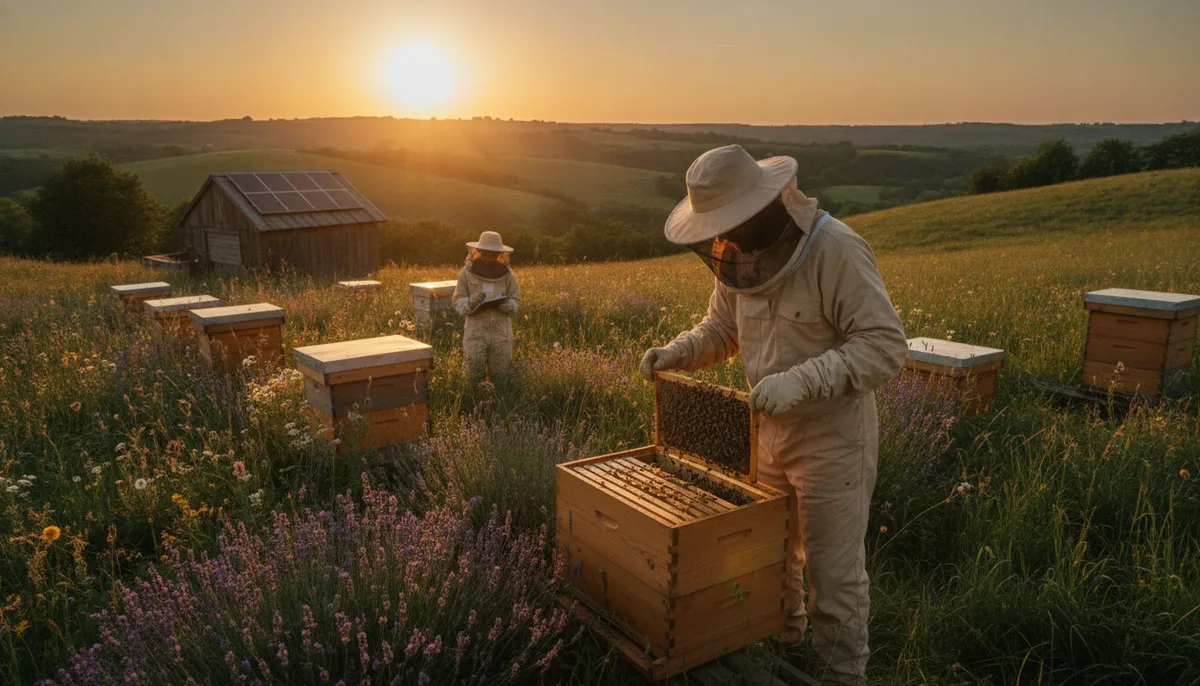
Mastering Sustainable Beekeeping: Applying Expert Insights to Your Apiary
In the world of apiculture, there are voices that stand out for their clarity, depth of knowledge, and commitment to the health of the honey bee. For many readers of the American Bee Journal, Tina Sebestyen is one of those voices. Her recent contributions highlight a growing sentiment among beekeepers: the desire to move beyond basic "how-to" steps and into a deeper understanding of honey bee biology.
The transition from a hobbyist who follows a schedule to a steward who understands the "why" behind every hive manipulation is the most significant leap a beekeeper can make. Whether you are navigating the first year or managing a multi-colony apiary, the principles of biology-based beekeeping remain the foundation of success.
The Evolution of Beekeeping Knowledge
The "lament" often voiced by veteran beekeepers is that beekeeping isn't as easy as it used to be. In the pre-Varroa era, a beekeeper could often leave a hive largely to its own devices and still harvest a surplus of honey. Today, the landscape has changed. Between the arrival of Varroa destructor in the late 1980s and the emerging threat of Tropilaelaps mites, the margin for error has narrowed significantly.
Expert contributors like Sebestyen emphasize that we cannot beekeep like it is 1970. Modern beekeeping requires active monitoring, an understanding of viral loads, and a proactive approach to nutrition. When a reader recognizes an author’s "voice" in a technical article, it is often because that author is speaking to the shared reality of the modern apiary—a reality where passion must be matched by precision.
The Foundation of Colony Health: Varroa Management
If there is one topic that dominates the discourse in letters to the editor and master beekeeping courses, it is the Varroa mite. It is no longer a question of if you have mites, but how many you have.
Why Late Summer Testing is Critical
September is a pivotal month for the colony. The queen is beginning to lay the eggs that will become "winter bees" or "fat bees." These bees have higher levels of vitellogenin, a protein-fat complex that allows them to live for six months rather than six weeks. If these larvae are parasitized by Varroa mites and the viruses they carry (such as Deformed Wing Virus), the winter bees will be compromised. They will not have the fat stores or the immune systems necessary to vibrate their wing muscles and keep the cluster warm through January and February.
To ensure your winter bees are healthy, you must use an objective testing method. Sticky boards can provide a general idea of "mite drop," but the gold standard remains the alcohol wash.
Choosing the Right Treatment
When mite counts exceed the threshold (typically 2-3% or 6-9 mites per 300 bees), intervention is necessary. However, not all treatments are created equal. Temperature-sensitive treatments like formic acid require specific weather windows to be effective without harming the queen.
Understanding the Queen's Role in Modern Challenges
A common question posed to experts involves queen failure. Many beekeepers notice that queens today do not seem to last the three to five years that was common decades ago. Modern queens often "peter out" or are superseded within 18 months.
Genetics and Local Adaptation
One of the key insights shared by experts is the importance of locally adapted genetics. Bees that are bred in the deep south and shipped to northern climates often struggle with the timing of the seasons. They may continue to brood up late into the fall when they should be shutting down, leading to higher food consumption and higher mite populations.
Seeking out queens from local breeders who prioritize overwintering success and hygienic behavior can drastically improve your apiary's resilience. Hygienic bees are better at detecting and removing mite-infested brood, providing a natural defense mechanism that complements your management strategy.
Preparing for the Winter Cluster
As we move into the cooler months, the beekeeper's role shifts from growth management to resource preservation. The goal is to ensure the hive is "heavy" and well-insulated.
Assessing Food Stores
A standard Langstroth hive in a temperate climate typically needs between 60 and 80 pounds of honey to survive the winter. If your hives are light in September, now is the time to feed a heavy sugar syrup (2:1 ratio of sugar to water). Once the internal temperature of the hive drops, the bees will no longer be able to process liquid feed, making early intervention essential.
Moisture and Ventilation
It is a common saying that "cold doesn't kill bees, but wet-cold does." As bees consume honey to generate heat, they produce moisture as a byproduct. If this moisture rises to the top of the hive, condenses on the inner cover, and drips back down onto the cluster, it can be fatal.
Using moisture-wicking materials or specialized insulation can help manage this microclimate. While some beekeepers prefer a simple "quilt box," others opt for commercial wraps that provide both wind protection and thermal retention.
The Essential Toolkit for the Modern Beekeeper
To apply the advice found in journals like the ABJ, you need the right tools. While a veil and a smoker are the basics, the modern steward needs instruments that allow for more nuanced observation. Having essential beekeeping tools such as a high-quality hive tool for prying propolis-heavy frames and a reliable magnifying glass for egg inspection can make the difference in early problem detection.
For those who have progressed to harvesting, the focus shifts to efficiency and preserving the quality of the honey. Using the best honey extractors for small scale harvests ensures that you can reap the rewards of your hard work without damaging the delicate wax combs that the bees worked so hard to build.
Bridging the Gap: From Reading to Doing
The "lament" mentioned in the September 2026 letters to the editor serves as a reminder that beekeeping is an ongoing education. When you read an article by someone like Tina Sebestyen, the goal isn't just to absorb facts, but to develop the "beekeeper's eye."
Developing the Beekeeper’s Eye
This "eye" is the ability to look at a frame and see more than just bees. It is seeing the pattern of the brood and knowing the queen's health. It is smelling the hive and detecting the faint, sour odor of European Foulbrood before it becomes a catastrophe. It is noticing the behavior of the bees at the entrance—are they purposeful foragers, or are they lethargic and being harassed by yellow jackets?
The Value of Mentorship and Community
No beekeeper is an island. The letters to the editor in the American Bee Journal represent a global conversation. Engaging with your local beekeeping association, attending workshops, and staying current with the latest research are all parts of the stewardship journey.
When you encounter a technique or a piece of advice that resonates—like the ones found in Sebestyen's writing—take the time to test it in your own apiary. Keep a detailed hive log. Note the weather, the bloom, the mite counts, and the temperament of the colony. Over time, these records will become your most valuable textbook.
Conclusion: The Path Forward
Beekeeping in the 21st century is undeniably more complex than it was for previous generations. However, the tools and information available to us are also more advanced. By focusing on honey bee biology, prioritizing Varroa management, and seeking out high-quality educational resources, we can overcome the "lament" of modern challenges.
Success in the apiary is rarely about a single "magic" product or a secret trick. It is the result of consistent, informed, and compassionate management. As we look toward the winter months, let us take the lessons learned from the experts and the community and apply them with diligence, ensuring that our colonies don't just survive, but thrive into the coming spring.