
The Silent Takeover: Understanding Africanized Honey Bee Usurpation and Hive Management
The landscape of American beekeeping has undergone a significant shift over the last several decades, a transformation recently chronicled in depth by experts like Dewey Caron in his 2026 retrospective on the history of Africanized Honey Bees (AHB) in the Americas. For those managing apiaries in the southern United States and throughout Central and South America, the "Africanized" reality is no longer a distant threat—it is a daily management factor.
One of the most complex and frustrating behaviors associated with these bees is colony usurpation. Unlike a standard swarm or a natural supersedure, usurpation is an aggressive biological "coup" that can turn a gentle, productive European honey bee (EHB) colony into a highly defensive AHB hive almost overnight. Understanding the mechanics of this takeover is essential for any beekeeper looking to maintain controlled genetics and apiary safety.
What is Honey Bee Usurpation?
In the context of honey bee biology, usurpation refers to the process where a foreign swarm invades an existing, established colony. While various subspecies of Apis mellifera exhibit this behavior, it is a hallmark strategy of the Africanized honey bee.
During a usurpation event, a small "usurpation swarm" (often much smaller than a traditional reproductive swarm) lands on the exterior of a target hive. These bees gradually work their way into the colony. Unlike drifting bees that are often accepted if they bring nectar, the usurping swarm has a mission: the replacement of the resident queen. The invading queen, supported by her small retinue, seeks out the established queen, kills her, and takes over the pheromonal control of the hive.
This process is particularly insidious because it does not require the resident colony to be queenless. AHB swarms have been documented successfully usurping healthy, queen-right European colonies, making it a primary driver of the "Africanization" of local bee populations.
Identifying the Signs of a Takeover
For the hobbyist or commercial beekeeper, the first sign of usurpation is rarely the event itself, but rather the behavioral fallout. Because the invading swarm is often small, the physical act of invasion can easily go unnoticed between weekly inspections.
Behavioral Shifts
The most immediate indicator is a drastic change in temperament. If a colony that was previously worked with minimal gear suddenly becomes highly defensive—following the beekeeper hundreds of yards from the apiary or stinging through heavy clothing—genetic usurpation is the primary suspect. As you are navigating the first year of beekeeping, learning the "baseline" mood of your hives is critical so you can spot these anomalies early.
Physical and Biological Clues
- Queen Appearance: AHB queens are often slightly smaller and darker than many commercial Italian or Carniolan queens. If you find an unmarked queen in a hive where you previously had a marked queen, a takeover has occurred.
- Brood Patterns: While AHB are prolific breeders, their brood patterns may appear different from EHB, often filling every available cell with less regard for the tight, concentric circles seen in European varieties.
- Festooning and Entrance Activity: During the actual takeover, you may see a "clump" of bees near the entrance or on the bottom board that looks like a small swarm, which is the invading force waiting for the opportune moment to enter.
The Requeening Challenge in AHB Territory
Maintaining European genetics in areas with high AHB pressure requires a proactive requeening schedule. As noted in recent correspondence to the American Bee Journal in late 2026, successful requeening in AHB-heavy regions is often a matter of timing and persistence. One beekeeper reported a 100% success rate in June by requeening eight colonies simultaneously, highlighting that even in "AHB country," controlled genetics are possible.
To successfully requeen an AHB-impacted hive:
- Total Deposing: You must find and remove the AHB queen. This can be difficult, as they are often flighty and prone to "running" on the comb.
- The "Break" Period: Some beekeepers prefer to leave the hive queenless for 24 hours to ensure the colony realizes its queenlessness, though this can be risky if there is a high density of AHB drones or swarms in the area.
- Protected Introduction: Use a push-in cage or a standard mailing cage with a slow-release candy plug. This allows the colony to acclimate to the new queen's pheromones before they have the chance to ball her.
To ensure you have the best chance of success, using a is highly recommended. Marking your new European queen allows you to verify her presence during subsequent inspections and provides immediate proof if a usurpation has occurred later in the season.
Protective Gear and Safety Protocols
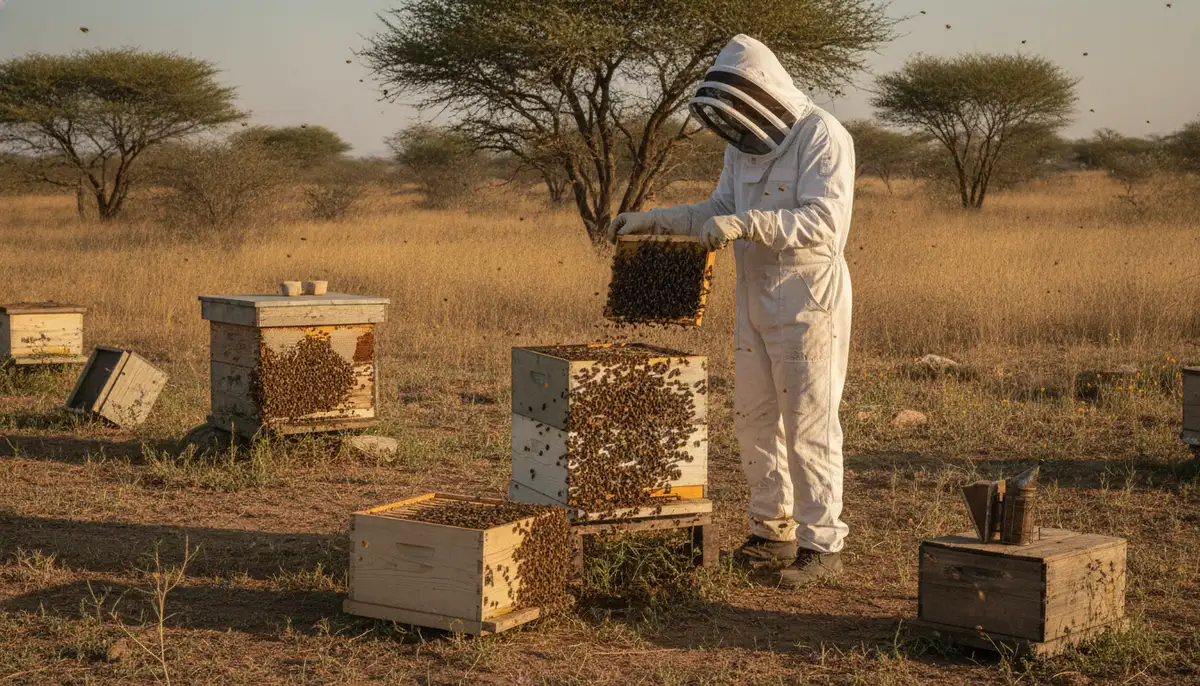
Working in areas where AHB usurpation is common necessitates an upgrade in your essential beekeeping tools. The standard lightweight jacket that suffices for gentle Italian bees may not provide adequate protection against the persistent stinging behavior of an Africanized colony.
When managing hives that may have been usurped, consider the following:
- Suit Integrity: Ensure there are no gaps in zippers or veils. AHB are known for finding even the smallest openings.
- Ventilation and Thickness: Since AHB territory is often hot, a XXL Full Body Ventilated Beekeep... offers the best balance between protection and heat-stroke prevention.
- Smoker Management: You will likely need more smoke than usual. Ensure your smoker is lit well and producing cool, thick white smoke before you even crack the inner cover.
Environmental and Meteorological Impacts
The frequency of usurpation events is often tied to environmental stressors. During nectar dearths, AHB swarms become more nomadic and are more likely to seek out established EHB colonies that have stored resources. Conversely, during a heavy flow, bees are generally more focused on foraging.
Understanding weather to fly and how meteorological shifts impact bee behavior can help you time your inspections. High-pressure systems and clear, warm days are the best times to attempt a requeening, as the older, more defensive foragers are out in the field, leaving the younger, more submissive nurse bees in the hive to accept the new queen.
Long-Term Management Strategies
Living with the reality of AHB means shifting your focus from "set it and forget it" beekeeping to active genetic management.
Drone Saturation
One of the best ways to combat the "Africanization" of your apiary is to saturate the area with European drones. By encouraging your gentlest hives to produce drones, you increase the likelihood that any virgin queens in the area (including those from your own supersedures) will mate with EHB rather than AHB genetics.
Swarm Trapping
To prevent usurping swarms from reaching your main hives, many beekeepers set up "decoy" hives or swarm traps around the perimeter of the apiary. Using a in these traps can redirect an invading swarm into a manageable box where you can inspect them and decide whether to cull or requeen them before they target your productive colonies.
Frequent Requeening
In high-pressure zones, many commercial beekeepers requeen every six months to a year. This ensures that the queen's pheromones remain strong, which can sometimes act as a deterrent to usurpation, as a strong, queen-right colony is generally better at defending its entrance than a weak or failing one.
Conclusion: Adapting to the New Frontier
The usurpation behavior of Africanized honey bees represents one of the most significant biological challenges in modern apiculture. However, as the 2026 reports suggest, it is a challenge that can be managed with vigilance, the right tools, and an understanding of bee behavior.
By recognizing the signs of a takeover early and maintaining a strict regime of genetic control through requeening, beekeepers can continue to enjoy productive, manageable hives even in the heart of AHB country. The key is not to fear the "silent takeover," but to prepare for it, ensuring that your apiary remains a safe and sustainable environment for both the bees and the keeper.