
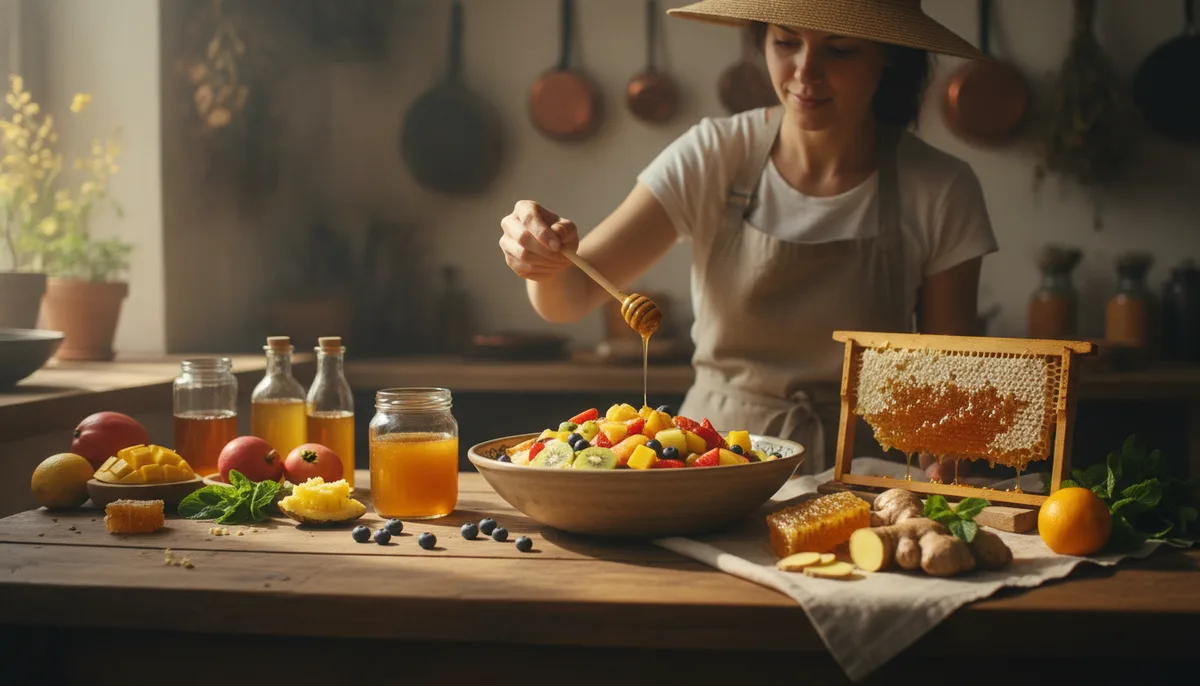
The Ultimate Honey Ginger Fruit Salad Dressing: A Beekeeper’s Kitchen Essential
The Intersection of the Apiary and the Kitchen
For the backyard beekeeper, the true reward of the craft often manifests at the kitchen table. While liquid gold is a treat on its own, its role as a functional culinary ingredient is where it truly shines. Honey is more than just a sweetener; it is a complex humectant and flavor enhancer that carries the terroir of your local flora.
When we look at the classic fruit salad, it often suffers from a lack of cohesion. Without a dressing, the fruit can oxidize quickly or feel like a disparate collection of flavors. A well-crafted dressing—built on a foundation of raw honey—acts as a glaze that preserves the fruit's texture while adding a sophisticated depth. This specific recipe, featuring fresh ginger and lemon, creates a "bright and bite" profile that cuts through the heavy sweetness of summer melons and complements the tartness of winter citrus.
The Science of the Ingredients: Why This Trio Works
The recipe provided by Barbara Bloetscher is deceptively simple: honey, ginger, and lemon. However, the chemical interaction between these three ingredients is what makes it a "perfect" complement.
The Role of Honey as a Glaze
Honey is hygroscopic, meaning it attracts and holds moisture. When drizzled over fruit, it creates a protective barrier that slows down the oxidation process (the browning you see on apples and bananas). Furthermore, because honey has a lower glycemic index than refined sugar and contains trace minerals and enzymes, it provides a more sustained flavor profile. If you find your honey has begun to thicken or grain, understanding The Science of the Solid: Understanding Honey Crystallization and Critical Winter Hive Maintenance can help you manage the texture before you begin your prep.
The Acidity of Lemon
Lemon juice serves two purposes. First, the ascorbic acid (Vitamin C) is a powerful antioxidant that prevents fruit from turning brown. Second, the acidity balances the cloying sweetness of the honey. It "wakes up" the palate, making the flavors of the fruit pop rather than being buried under sugar.
The Warmth of Fresh Ginger
Ginger contains gingerol, a compound that provides a mild heat and a pungent aroma. In a fruit salad, this heat acts as a counterpoint to the cold, watery nature of fruits like watermelon or grapes. It also aids in digestion, making this dressing an excellent choice for a heavy potluck meal.
Choosing the Right Honey for Your Harvest
Not all honey is created equal, and the variety you choose will fundamentally shift the flavor of your dressing. If you are harvesting your own honey using the Best Honey Extractors for Small Scale Harvests: A Backyard Beekeeper’s Guide, you likely have a "wildflower" blend that changes with the seasons.
- Light/Spring Honey (Clover, Acacia, Alfalfa): These are mild and buttery. They are perfect for delicate fruits like strawberries, peaches, and blueberries. They allow the fruit's natural flavor to remain the star.
- Amber/Summer Honey (Basswood, Orange Blossom): These have citrusy or minty undertones. They pair exceptionally well with the lemon in this recipe and are robust enough to stand up to tropical fruits like pineapple and mango.
- Dark/Fall Honey (Buckwheat, Goldenrod): These are earthy and bold, almost like molasses. While they might overwhelm a summer fruit salad, they are incredible when paired with autumn harvests of apples, pears, and walnuts.
Step-by-Step: Mastering the Perfect Fruit Salad Dressing
The beauty of this recipe lies in its preparation. Follow these steps to ensure a smooth, emulsified finish.
Ingredients
- 1½ Cups of fresh honey (preferably raw and local)
- 1 Tbsp freshly grated ginger (use a microplane for the finest texture)
- 1 Lemon – juiced (approx. 2-3 tablespoons)
Directions
Step 1: Warm the Honey Warm the honey gently. You do not want to boil it, as high heat can destroy the beneficial enzymes and alter the flavor profile. The goal is simply to lower the viscosity so it incorporates the other ingredients easily.
Step 2: Prepare the Ginger Peel your ginger root using the edge of a spoon—this removes the skin while preserving the flesh. Use a fine grater to ensure there are no woody chunks in your dressing.
Step 3: Combine and Emulsify Whisk the freshly squeezed lemon juice and the grated ginger into the warm honey. The acid in the lemon will help thin the honey further, creating a pourable glaze.
Step 4: Cool and Infuse Let the mixture sit for at least 15 minutes at room temperature. This allows the ginger's essential oils to infuse into the honey.
Culinary Tips for Professional Presentation
To elevate your fruit salad from a simple side dish to a centerpiece, consider these professional tips:
- Dry the Fruit: After washing and cutting your fruit, pat it dry with a paper towel. Excess water on the surface of the fruit will dilute the dressing and prevent it from sticking.
- Dress Just Before Serving: While the dressing can be made in advance, do not toss the fruit in it until about 10 minutes before serving. This allows the flavors to mingle without the fruit becoming macerated and mushy.
- The Herb Finish: A chiffonade of fresh mint or basil added at the very end provides a visual pop and a third dimension of flavor that pairs beautifully with the ginger.
Seasonal Pairing Guide
While this dressing is universal, some combinations are particularly effective:
| Season | Best Fruit Pairings | Addition Suggestions |
|---|---|---|
| Summer | Watermelon, Cantaloupe, Honeydew | Feta cheese and fresh mint |
| Spring | Strawberries, Kiwi, Apricots | Toasted almond slivers |
| Autumn | Honeycrisp Apples, Bosc Pears | Dried cranberries and pecans |
| Winter | Grapefruit, Oranges, Pomegranate | A pinch of cayenne pepper |
Storing and Preserving Your Dressing
If you have leftover dressing, do not discard it. Because of the preservative nature of honey and lemon, it stores remarkably well. Keep it in a glass jar in the refrigerator. Note that as it cools, the honey will naturally thicken again. Before your next use, simply place the jar in a bowl of warm water for a few minutes to restore its liquid state.
For those who are new to managing honey in the kitchen or the hive, transitioning from a beginner to a confident handler involves understanding these small nuances of temperature and storage. If you are just starting your journey, our guide on Navigating the First Year: A Comprehensive Guide to Transitioning from Neophyte to Confident Beekeeper offers deeper insights into the lifecycle of honey from the comb to the jar.
Conclusion: The Beekeeper’s Pride
There is a unique satisfaction in serving a dish where the primary ingredient was produced in your own backyard. This Honey Ginger Fruit Salad Dressing is more than just a recipe; it is a celebration of the work done by your bees and the botanical diversity of your local environment. By balancing the sweetness of the hive with the sharpness of lemon and the warmth of ginger, you create a culinary experience that is as healthful as it is delicious.
Whether you are heading to a summer potluck or looking for a way to brighten a winter morning, this dressing is a testament to the versatility of honey. Keep a jar in your fridge, and you’ll find yourself reaching for it far beyond the fruit bowl—it makes an excellent glaze for grilled chicken or a sophisticated sweetener for a cup of hot tea.