
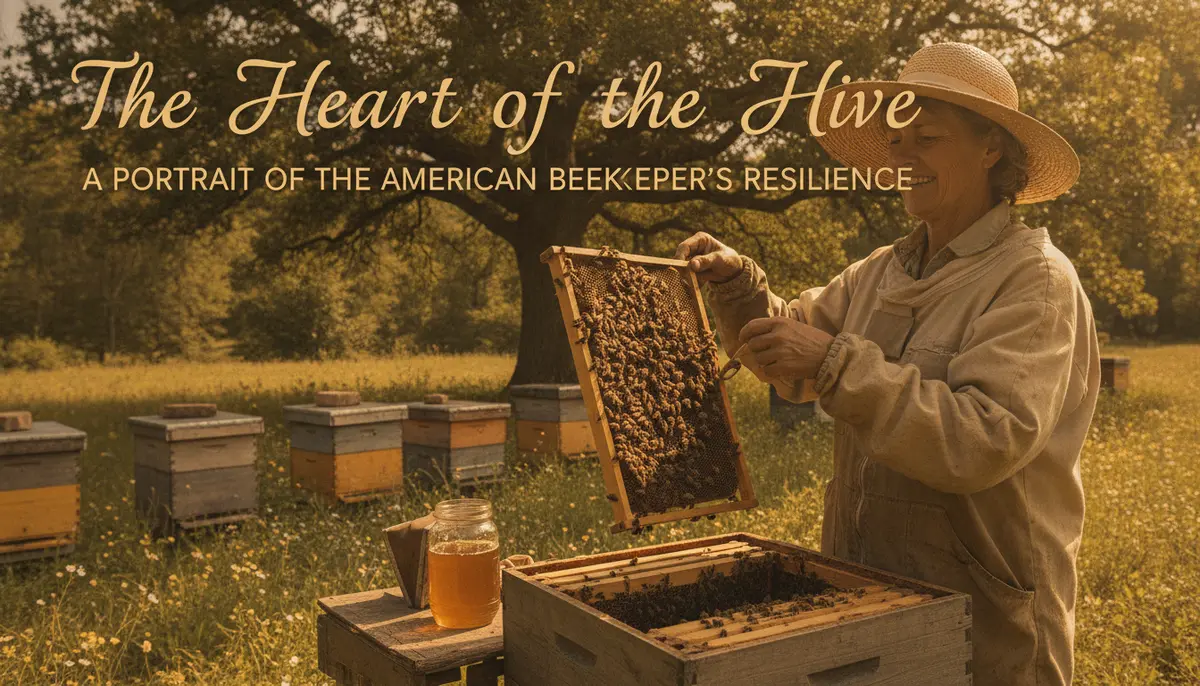
The Heart of the Hive: A Portrait of the American Beekeeper’s Resilience
To understand the American beekeeper, you must look past the amber jars of honey lined up at the farmer’s market. You must look beyond the structured rows of white Langstroth boxes sitting in a sun-drenched field. If you want to truly grasp the essence of this craft, you have to look at the ledger—and more importantly, the person holding the pen.
As Mirza Tihic of Syracuse University points out, if you start with the economics, the math rarely adds up. Most beekeepers are losing money. They knew they would, or at least they suspected it, yet they continue to suit up in the sweltering heat of July. This paradox defines the modern American beekeeper: a person driven by something far deeper than a profit margin.
The Economic Reality of the Modern Apiary
The romanticized image of the beekeeper often ignores the harsh financial landscape of the industry. For the hobbyist and the "sideliner" (those with a few dozen to a few hundred hives), the initial investment is significant. Between woodenware, protective gear, and the bees themselves, the startup costs can run into the thousands.
However, the real cost isn't just the setup; it’s the maintenance. With national colony loss rates often hovering between 30% and 45% annually, beekeepers are constantly reinvesting just to stay at baseline. They are buying replacement nucs (nucleus colonies), treating for Varroa mites, and supplementing feed during lean winters.
For those looking to mitigate these early financial stumbles, choosing the right entry point is critical. Selecting high-quality equipment from the start can prevent costly replacements later. You can explore our guide on the Best Beginner Beekeeping Kits of 2024: Start Your Backyard Apiary with Confidence to see how to build a foundation that lasts.
Who Are the Beekeepers? A Demographic Portrait
The American beekeeper is not a monolith. They are a diverse cross-section of the country, yet they share a specific set of character traits: patience, resilience, and an almost obsessive attention to detail.
- The Environmental Steward: Many enter beekeeping out of a sense of duty to the planet. They see the headlines about "saving the bees" and decide to take direct action in their own backyards.
- The Scientific Observer: These are the beekeepers who can tell you the exact day the black locust trees began to bloom. They are fascinated by the complex social structure of the hive and the pheromonal communication between the queen and her workers.
- The Legacy Beekeeper: For some, beekeeping is a generational bridge. They keep bees because their grandfathers did, maintaining a connection to a slower, more intentional way of life.
Regardless of their background, these individuals are united by "the sting"—not just the physical one, but the metaphorical sting of a lost colony and the subsequent drive to try again next season.
The "Why" That Keeps Them Going
If it isn't the money, what is it? The motivation behind beekeeping is often described as a form of "active meditation." When you open a hive, the world outside the apiary disappears. You cannot be rushed; you cannot be angry. The bees respond to your energy.
Connection to the Natural Cycle
Beekeeping forces a person to become hyper-aware of the seasons. You learn to read the "nectar flow"—that magical window when flowers are producing more nectar than they need, allowing bees to store the excess as honey. You become a meteorologist, a botanist, and an entomologist all at once.
The Reward of Stewardship
There is a profound sense of accomplishment in seeing a colony survive a brutal winter and emerge strong in the spring. This stewardship provides a sense of agency in an era where many feel helpless regarding environmental decline. However, this stewardship is under constant threat from external factors, such as the loss of critical research infrastructure. Understanding these broader risks is vital for any serious practitioner; for instance, The Beltsville Crisis: Why Losing Federal Bee Research Threatens the Future of American Beekeeping highlights how the pillars supporting beekeepers are currently being challenged.
The Essential Tools of the Trade
While the spirit of the beekeeper is the engine, the tools are the transmission. A beekeeper’s relationship with their tools is intimate. A well-worn smoker or a perfectly weighted hive tool becomes an extension of the hand.
For those looking to invest in tools that stand the test of time, look for high-grade materials that can withstand the sticky reality of propolis and the corrosive nature of outdoor work.
A reliable smoker is perhaps the most important tool for managing hive temperament. By masking the alarm pheromones of the bees, it allows the beekeeper to work calmly, reducing stress for both the human and the insect.
heavy-duty J-hook hive tool
The J-hook tool is a favorite among experienced beekeepers for its versatility in prying frames without damaging the delicate wooden ears of the hive components.
The Art of Observation: Transforming Practice into Mastery
One of the most significant shifts in a beekeeper’s journey occurs when they stop "checking" the bees and start "observing" them. Checking is a chore; observation is a skill. This distinction is what separates those who keep bees for a season from those who keep them for a lifetime.
Successful beekeepers often keep meticulous records. They note the weather, the presence of pollen, the pattern of the brood, and the temperament of the queen. This data collection isn't just for academic interest; it's a survival strategy. By tracking patterns over years, the beekeeper can anticipate problems before they become catastrophic.
To dive deeper into how this practice can change your relationship with your hives, read our feature on The Art of the Beekeeper’s Journal: How Observation Transforms Your Apiary.
Challenges on the Horizon: Grit vs. Reality
The American beekeeper today faces a gauntlet of challenges that their predecessors could hardly have imagined.
- Pesticide Exposure: The prevalence of neonicotinoids and other agricultural chemicals can weaken a colony’s immune system.
- Varroa Destructor: This parasitic mite remains the single greatest biological threat to honey bees, requiring constant monitoring and intervention.
- Climate Volatility: Unpredictable weather patterns can disrupt the bloom cycles of forage, leading to "starvation periods" in the middle of summer.
Despite these hurdles, the number of hobbyist beekeepers continues to grow. This resilience is the "Portrait of the American Beekeeper" that Mirza Tihic describes. It is a portrait of someone who sees a dying colony and, rather than quitting, asks, "What can I do better next time?"
Conclusion: The Enduring Spirit of the Apiary
The story of American beekeeping is not a story of easy successes or quick profits. It is a story of a unique group of people who find value in the struggle. They find value in the smell of woodsmoke and beeswax, in the steady hum of a healthy hive, and in the knowledge that they are contributing to the health of the world around them.
Whether you are a veteran with fifty years in the bee yard or a novice waiting for your first package of bees to arrive, remember that you are part of a long tradition of resilience. The honey is just a bonus; the real prize is the person you become while tending the bees.