
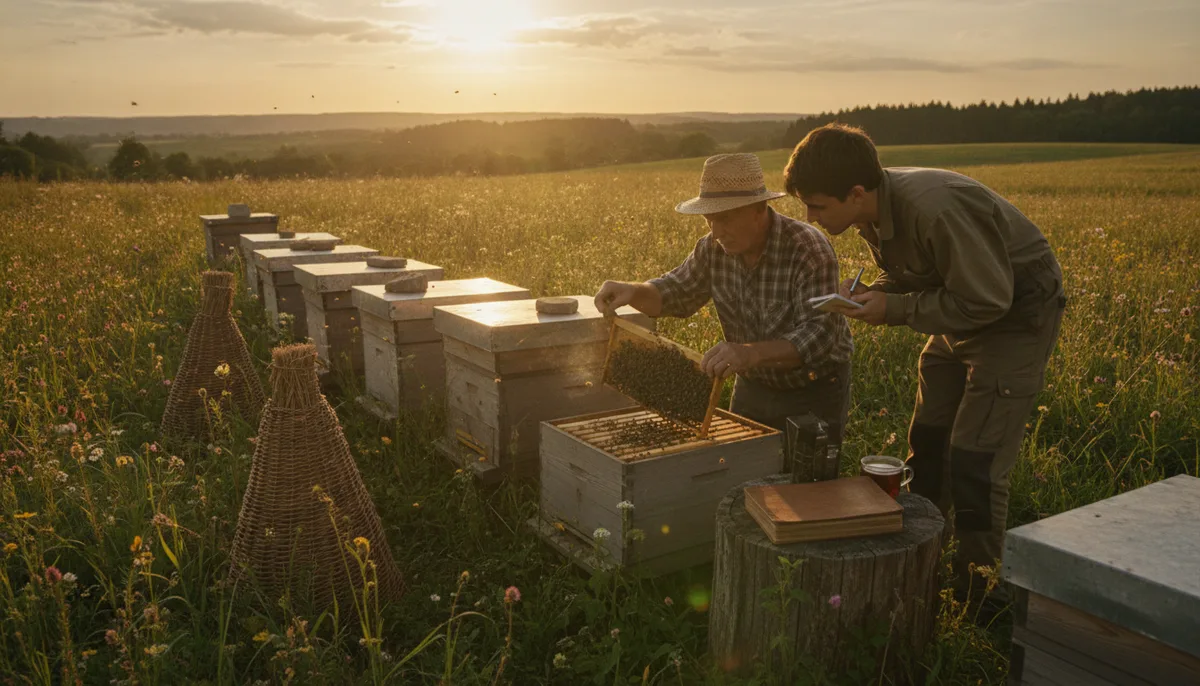
Plain Talk Beekeeping: Why Practical Wisdom Trumps Complex Theory in the Apiary
In the world of modern beekeeping, it is remarkably easy to get lost in the weeds. Between high-tech hive monitors, complex chemical treatment rotations, and the endless "bee wars" found in social media comment sections, the actual craft of tending to Apis mellifera can feel secondary to the gadgets and the noise. There is a profound value in returning to what many veteran keepers call "plain talk"—a straightforward, no-nonsense approach to the apiary that prioritizes observation over obsession.
This return to fundamentals is particularly timely. For those who follow the stalwarts of the industry, the news that Jim Tew’s column will return next month serves as a reminder that experience-driven, practical advice remains the backbone of successful beekeeping. As we wait for the return of those veteran insights, it is worth examining why the "plain talk" philosophy is more necessary now than ever.
The Information Overload Problem
For the modern beekeeper, the challenge isn't finding information; it’s filtering it. A simple search for "how to overwinter bees" will yield thousands of results, ranging from "do nothing" to "build a climate-controlled shed." This "analysis paralysis" often leads beginners to make the most common mistake in the yard: over-intervention.
Plain talk beekeeping suggests that we should step back and look at the hive as a biological unit rather than a project to be engineered. The bees have been surviving for millions of years; our job is not to reinvent their biology, but to remove the modern obstacles we have placed in their path. When we strip away the marketing and the hype, beekeeping boils down to a few core pillars: mite control, nutrition, and space management.
Reality vs. Theory: The "Book Bee" Phenomenon
Many new keepers start their journey by reading every manual available. While education is vital, there is a distinct difference between a "book bee" and a "yard bee." In theory, a colony follows a predictable growth curve. In reality, a late frost, a neighbor’s pesticide application, or a failing queen can throw that theory out the window.
Practical wisdom teaches us to trust what we see on the frames more than what we read on the page. This transition from following a rigid schedule to responding to the colony's actual needs is a hallmark of the maturing beekeeper. If you are currently navigating the first year: a comprehensive guide to transitioning from neophyte to confident beekeeper, the most important skill you can develop is "reading the comb."
Are the bees calm? Is the brood pattern solid? Do they have enough "groceries" (honey and pollen) to last until the next nectar flow? These plain-talk questions are far more important than whether you are using the latest plastic foundation or a traditional wax starter strip.
Essential Tools and the Trap of "Newness"
The market is flooded with "innovative" beekeeping tools designed to make the job easier. However, the most effective tools in an apiary have remained largely unchanged for over a century. A reliable smoker, a sturdy hive tool, and a protective suit are often all a keeper truly needs.
When selecting gear, focus on durability and functionality. For example, a smoker that stays lit and provides a cool, consistent volume of smoke is worth more than ten "automatic" gadgets.
The same applies to protective gear. While some veterans advocate for minimal protection, plain talk dictates that a comfortable, confident beekeeper is a better beekeeper. If you are worried about getting stung, you will rush your inspections and miss the subtle cues the bees are giving you.
Managing the "Big Three" with Common Sense
If we were to distill beekeeping down to its most essential "plain talk" components, we would focus on three areas that determine the success or failure of almost every hive:
1. Varroa Mite Management
The Varroa destructor mite is the single greatest threat to honey bee health in North America. Plain talk ignores the "treatment-free" idealism that often leads to dead colonies and "mite bombs" for neighbors. Instead, it focuses on monitoring mite loads and using proven, timed interventions to keep the colony's viral load low.
2. Nutritional Security
A starving colony cannot defend itself against pests or diseases. Practical beekeeping means checking food stores in late summer and late winter. If the bees don't have enough, you feed them. It is a simple equation that prevents the heartbreak of opening a hive in March only to find "starvation head-butts" in the cells.
3. Queen Vitality
The queen is the heart of the hive. A failing queen leads to a dwindling population, which leads to wax moth or small hive beetle infestations. Learning to spot a failing queen early—and having the courage to replace her—is the difference between a productive season and a total loss.
Preparing for Emerging Threats
While we focus on the fundamentals, plain talk also requires us to keep an eye on the horizon. The beekeeping landscape is not static. New pests and environmental challenges require us to adapt our "plain talk" to include new realities.
For instance, the potential arrival of new mites requires the same level of vigilance we applied to Varroa decades ago. Understanding these risks, such as those discussed in our guide on Tropilaelaps Redux: Preparing for the Next Great Threat to American Beekeeping, is part of being a responsible, informed steward of the apiary.
The Value of Mentorship and Veteran Voices
The announcement that Jim Tew will return to his column next month is a win for the community because it brings back a voice of reason. In beekeeping, there is no substitute for someone who has seen forty winters, fifty spring flows, and every imaginable hive malady.
Mentorship doesn't always have to be in person. It can come through the "plain talk" written by those who have dedicated their lives to the craft. These voices help us filter out the "fad of the month" and keep us focused on the biological needs of the bees. They remind us that while the tools may change, the bees themselves remain the same.
Developing Your Own Apiary Intuition
Ultimately, the goal of plain talk beekeeping is to develop your own intuition. This doesn't mean guessing; it means internalizing the patterns of the season and the behaviors of the bees until you can "feel" the state of a hive before you even lift the inner cover.
This intuition is built on the back of thousands of frame inspections and, yes, a fair share of mistakes. By keeping your management style simple and your observations keen, you create a feedback loop that allows you to learn from the bees themselves.
Practical Steps for Your Next Inspection:
- Observe the Entrance: Before opening the hive, watch the foragers. Are they bringing in pollen? Is the flight purposeful or lethargic?
- Listen to the Hive: A healthy queen-right colony has a steady, low hum. A queenless colony often has a higher-pitched, frantic "roar."
- Smell the Air: The scent of ripening nectar is one of the joys of beekeeping, but the foul odor of American Foulbrood is a warning that requires immediate action.
Conclusion: Embracing the Simple Path
Beekeeping is as complex as you want to make it, but the bees usually prefer it when we keep things simple. As we look forward to the return of veteran perspectives in the coming month, let’s take a moment to clear the clutter from our bee sheds and our minds.
Focus on the health of the queen, the suppression of the mites, and the abundance of the stores. If you get those three things right, the bees will handle the rest. That is the essence of plain talk beekeeping—a philosophy that respects the bee, values the experience of the keeper, and understands that sometimes, the best intervention is a well-timed, simple one.