
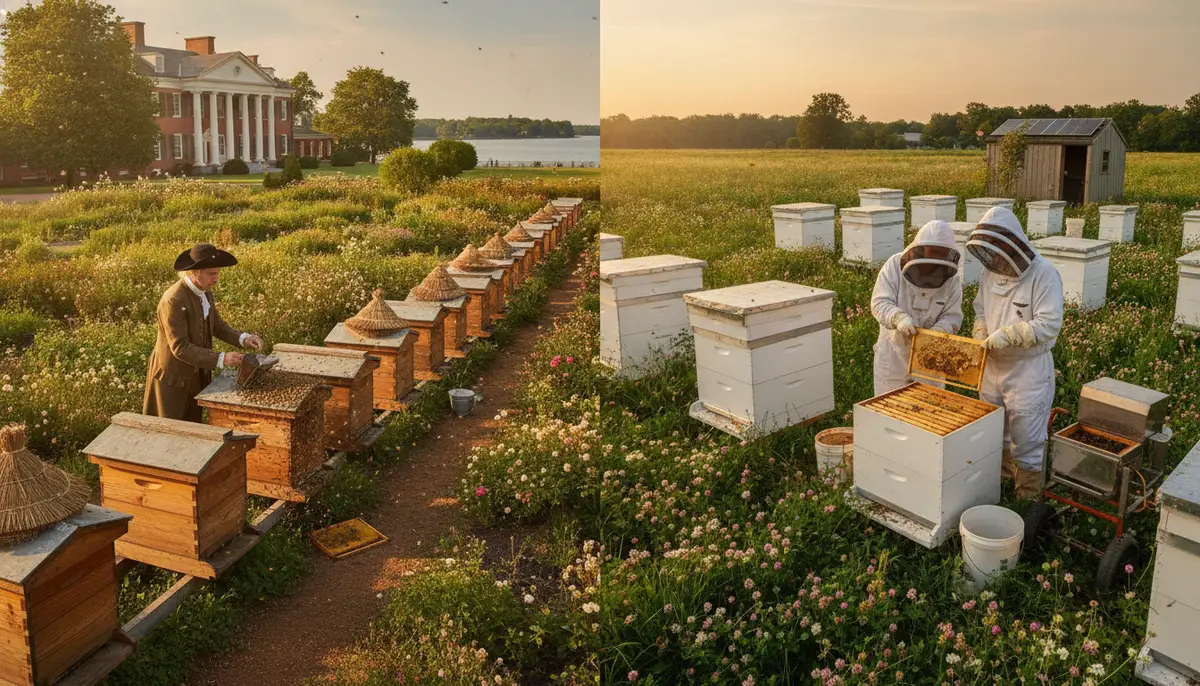
From Mount Vernon to the Modern Apiary: The Timeless Legacy of Honey and Beekeeping
The Founding Father of American Apiculture
Long before the advent of modern agricultural technology, the founders of the United States were grappling with the complexities of land management and food security. Among them, George Washington stood out not just as a military leader or a statesman, but as a visionary farmer. At his Mount Vernon estate over 250 years ago, Washington integrated honey bees into the very fabric of his agricultural operations.
Washington viewed bees not merely as a source of sweetness, but as vital partners in the ecosystem of his estate. In an era where self-sufficiency was a necessity, the apiary provided wax for candles, honey for preservation, and most importantly, the pollination required for the diverse crops he experimented with. This forward-thinking approach to beekeeping set a precedent for American land stewardship that remains relevant today. By treating the honey bee as a partner rather than a mere commodity, Washington practiced a form of sustainable agriculture that modern "back-to-the-land" movements are only now rediscovering.
For the modern enthusiast, navigating the first year: a comprehensive guide to transitioning from neophyte to confident beekeeper often mirrors the challenges faced by those early colonial keepers—learning to read the seasons and understand the delicate balance of the hive.
Honey: The Grounding Force of the Modern Diet
There is a reason we say honey is for "breakfast, lunch, and dinner." Beyond its role as a natural sweetener, honey serves as a "grounding" element in our daily lives. In a world of highly processed sugars and synthetic additives, honey remains one of the few truly raw, whole foods that can be consumed exactly as it is found in nature.
Breakfast: The Energetic Start
Starting the day with honey is more than a culinary choice; it is a metabolic one. The unique blend of fructose and glucose provides a sustained release of energy, preventing the mid-morning crash associated with refined sugars. Whether drizzled over steel-cut oats or stirred into a morning tea, it connects the consumer to the floral landscape of their local region.
Lunch and Dinner: The Culinary Chameleon
In savory applications, honey acts as a bridge between flavors. It balances the acidity in vinaigrettes and provides the necessary caramelization for roasted root vegetables or glazed meats. Because honey contains enzymes and trace minerals, it offers a depth of flavor that white sugar simply cannot replicate.
To truly appreciate the culinary versatility of your harvest, it is essential to maintain the quality of the honey from the hive to the table. This involves understanding the natural physical changes honey undergoes. For instance, the science of the solid: understanding honey crystallization and critical winter hive maintenance explains why your honey might turn opaque and how to manage your stores during the colder months.
The Partnership: Bees as Ecological Stewards
Washington’s "partnership" with bees is a concept that has gained renewed urgency in the 21st century. The honey bee is a sentinel species—an indicator of the health of our environment. When we keep bees, we are doing more than harvesting a crop; we are participating in the reproductive cycle of the planet.
The forward-thinking beekeeper recognizes that the health of the hive is inextricably linked to the health of the surrounding forage. This means moving beyond the hive itself and looking at the landscape. Are there pesticide-free zones? Is there a succession of blooms from early spring to late autumn? Washington’s Mount Vernon was a tapestry of diverse plantings designed to support both livestock and pollinators, a model that modern permaculture enthusiasts strive to emulate.
Essential Infrastructure for the Forward-Thinking Apiary
To follow in the footsteps of historical beekeepers while utilizing modern advancements, one must invest in the right infrastructure. Washington’s hives were likely simple "skeps" or boxes, but today we have the advantage of modular systems that allow for better hive health monitoring and easier harvesting.
When setting up a new apiary, the quality of the equipment determines the longevity of the colony. A robust hive body provides the necessary insulation against the elements, while well-crafted frames allow the bees to build straight, manageable comb.
If you are looking to establish your first colony with the same spirit of partnership that Washington intended, consider starting with a comprehensive setup:.
Furthermore, the tools used to manage these hives have evolved significantly. While Washington may have used simple smoke from a fire to calm his bees, modern smokers offer directed, cool smoke that is much safer for the insects. Understanding these tools is a prerequisite for any serious practitioner. You can find a deeper dive into these requirements in our guide on essential beekeeping tools every newbie needs: beyond the hive and suit.
Management Through the Seasons: Lessons from History
The "grounding" nature of beekeeping forces the keeper to live in sync with the natural world. Washington’s records indicate a keen awareness of the weather and its impact on his crops and livestock. Modern beekeepers must develop this same "weather eye."
Spring Awakening
In the spring, the focus is on expansion. As the first willows and dandelions bloom, the queen ramps up egg-laying. The forward-thinking keeper must ensure the colony has enough space to grow to prevent swarming, much like a farmer must thin his crops to ensure a healthy harvest.
The Summer Flow
During the height of summer, the "honey flow" is in full effect. This is the period of maximum activity where the partnership between bee and keeper is most visible. It is a time of observation—ensuring the bees have access to water and monitoring for pests like Varroa mites that were unknown to Washington but are a primary concern today.
Autumn Preparation
As the days shorten, the focus shifts to winter survival. This is where the "grounding" aspect becomes literal. The bees must have enough heavy syrup or cured honey to survive the months when nothing is in bloom. A keeper's success in the following year is determined by the preparation done in the fall.
To manage the hive effectively during these transitions, a reliable smoker is indispensable for keeping the colony calm during inspections:.
The Future of the Craft: A Call to Action
George Washington’s legacy at Mount Vernon reminds us that beekeeping is not a hobby of the past, but a necessity for the future. As we face global challenges regarding food security and biodiversity loss, the humble honey bee remains at the center of the solution.
Becoming a beekeeper is an act of hope. It is a commitment to the idea that we can work alongside nature to produce something healthful and sustaining. Whether you are keeping a single hive in a suburban backyard or managing a large-scale apiary, you are participating in a tradition that spans centuries and connects you to the very founders of the nation.
The value of honey—for breakfast, lunch, and dinner—is a reminder of the sweetness that comes from hard work and ecological stewardship. By adopting the forward-thinking mindset of historical figures like Washington, we ensure that the hum of the hive will continue to be heard for another 250 years.
Conclusion: Embracing the Bee
In closing, the journey of the beekeeper is one of constant learning. It requires the patience of a historian and the precision of a scientist. By grounding ourselves in the practices of the past while utilizing the tools of the present, we can create a sustainable future for our bees and ourselves.
The next time you enjoy a spoonful of honey, remember that you are tasting the result of a complex partnership—a partnership that George Washington championed at Mount Vernon and one that we are privileged to continue today. Every hive managed and every jar of honey harvested is a tribute to this enduring bond between humans and the natural world.