
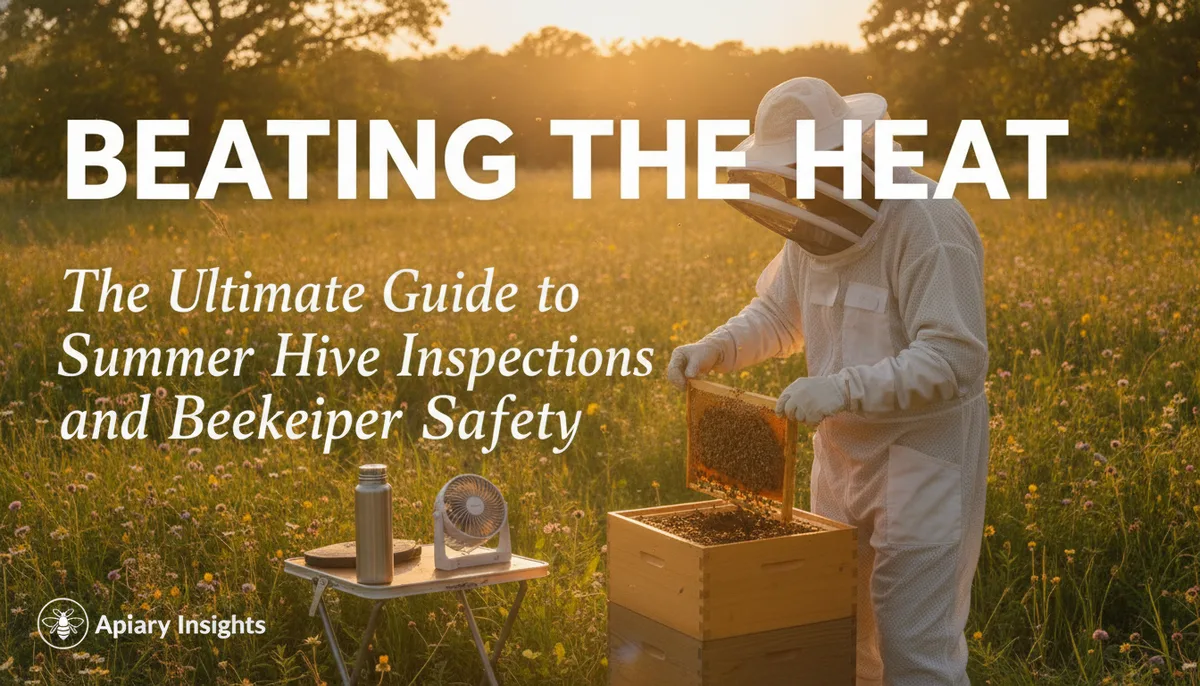
Beating the Heat: The Ultimate Guide to Summer Hive Inspections and Beekeeper Safety
The Reality of High-Heat Beekeeping
Beekeeping is often romanticized as a peaceful spring activity, but for those of us managing apiaries in regions like Texas, the summer months bring a grueling reality. Imagine standing in a field where the ambient temperature has already hit 100°F, zipped into a heavy protective layer, and lifting forty-pound boxes of honey. It is a test of endurance as much as it is a labor of love.
Thirteen years ago, my journey began with a discounted beekeeping class found online. I was fascinated by the intricate social structure of the hive, but nothing quite prepares you for the physical demands of a Southern summer. While the bees are experts at thermoregulation, the beekeeper is often the most vulnerable element in the apiary during July and August.
Staying cool isn't just about comfort; it is a critical safety requirement. Heat stroke is a genuine risk when you are encased in a suit that traps body heat. Understanding how to navigate these "dog days" of summer is the difference between a thriving apiary and a medical emergency.
Timing Your Inspections for Maximum Safety
In the height of summer, the traditional "sunny afternoon" inspection is a recipe for disaster. To protect both yourself and your colony, you must master the art of timing.
The Golden Hours
The most successful summer inspections happen during the "Golden Hours"—either shortly after sunrise or just before sunset. In the early morning, the temperature is at its lowest point, and the bees are generally calmer as they prepare for the day's foraging. By 10:00 AM, the sun’s intensity begins to climb, and by mid-afternoon, the heat index inside a bee suit can easily exceed 120°F.
Reading the Weather and the Dearth
Summer often brings a "nectar dearth," a period where flowers stop producing nectar due to heat and lack of rain. During a dearth, bees can become more defensive and prone to robbing. When you combine high heat with a dearth, the bees are already stressed. Conducting a long, invasive inspection during the hottest part of the day can lead to increased aggression and hive abandonment.
If you are just starting out, it is essential to have the right equipment to handle these conditions. Choosing the Best Beginner Beekeeping Kits of 2024: Start Your Backyard Apiary with Confidence can ensure you have the tools necessary to work quickly and efficiently before the heat peaks.
Gear Strategies to Stay Cool
Your choice of protective gear is your first line of defense against the sun. Traditional heavy cotton suits are durable, but they act like a greenhouse in the summer.
The Rise of Ventilated Suits
Modern beekeeping technology has introduced the ventilated suit. These suits are constructed from multiple layers of mesh that allow air to flow through while keeping the stings out. If you are still wearing a solid canvas suit in 95-degree weather, it is time for an upgrade.
For a detailed breakdown of the best options available, check out our guide on Top-Rated Bee Suits for Maximum Protection: Stay Safe and Cool in the Apiary.
Personal Cooling Accessories
Beyond the suit, there are several tactical additions you can make to your kit:
- Hydration Packs: Wearing a slim hydration bladder under your suit allows you to sip water throughout the inspection without having to unzip.
- Cooling Vests: Phase-change cooling vests or simple ice-pack vests can be worn under a loose suit to keep your core temperature down for 30–45 minutes.
- Neck Wraps: Evaporative cooling towels or neck wraps can provide significant relief when worn under the veil.
evaporative cooling neck wrap for outdoor work
The "Quick-Look" Summer Inspection Protocol
In the spring, we might spend fifteen minutes per hive looking for every frame of brood and the queen. In the summer, you need to be in and out in five minutes or less. The goal of a summer inspection is "verification," not "exploration."
What to Check
- Water Access: Ensure the bees have a reliable water source. If their local source has dried up, they will spend all their energy foraging for water rather than honey.
- Space and Ventilation: Check if the bees are cramped. If the hive is congested, they may swarm or simply overheat. Adding a honey super can sometimes provide the necessary "breathing room."
- Mite Loads: Late summer is when Varroa mite populations often peak. A quick alcohol wash or sugar roll is essential to ensure the colony is healthy enough to raise the "winter bees" soon.
- Queen Presence: Look for eggs or young larvae. You don't need to find the queen herself; the presence of fresh eggs confirms she was there within the last three days.
What to Skip
Avoid scraping every bit of propolis or rearranging the brood nest. Every time you open the hive, you disrupt the bees' internal climate control. They have spent hours fanning to keep the brood at exactly 95°F; opening the lid lets all that regulated air out and the scorching heat in.
For more on specialized hive health techniques that might surprise you, read about Beekeeping and Bananas: Decoding the Charles Linder Method for Hive Health.
Recognizing and Managing Heat Stress in the Hive
Bees have remarkable ways of cooling their homes, but they have limits. As a beekeeper, you need to recognize when the colony is struggling.
Bearding and Fanning
If you see a carpet of bees on the outside of the hive, don't panic. This is "bearding." By hanging out on the porch, they reduce the number of bodies generating heat inside the hive. You will also see "fanning" bees at the entrance, using their wings to create a vacuum that pulls cool air in and pushes hot air out.
Providing Relief
If your hives are in full sun, consider providing temporary shade during the hottest months. A simple piece of plywood propped over the hive or a shade cloth can drop the internal temperature significantly. Ensure that your bottom boards are screened or that you have provided an upper entrance (like a shim or a notched inner cover) to allow for a "chimney effect" of rising heat.
Post-Inspection Recovery for the Beekeeper
The inspection isn't over until the beekeeper is safely cooled down. The transition from the apiary to a cool environment should be handled with care.
Immediate Steps
Once you are finished, move to a shaded area before removing your gear. Removing a hot, sweaty suit in a breeze can cause a rapid chill, which is jarring to the system. Drink room-temperature water or electrolyte-replacement drinks. Avoid ice-cold water immediately if you are severely overheated, as it can cause stomach cramping.
Monitoring for Delayed Symptoms
Heat exhaustion can sometimes manifest an hour or two after you’ve finished your work. If you experience a lingering headache, extreme thirst, or dark-colored urine, you are likely dehydrated and need to continue fluids and rest.
If you are looking to restock your supplies for the next season or need more robust equipment to handle the heat, consult The Hive & Honey Master Buying Guide for expert recommendations on durable, high-performance gear.
Conclusion: Respecting the Season
Summer beekeeping is an exercise in restraint and preparation. By choosing the right gear, timing your visits to the apiary, and focusing on the essentials, you can keep your colonies healthy without compromising your own safety.
Remember, the bees have survived for millions of years without our intervention, but in the managed apiary, we have a responsibility to ensure they—and we—survive the harshest months of the year. Stay hydrated, stay cool, and keep a close eye on those flight boards. The honey harvest is just around the corner.