
Buying Guides for Hive & Honey
Practical Backyard beekeeping for hobbyists and small-scale honey producers. buying guides organized for Aspiring and intermediate beekeepers looking for reliable equipment recommendations, hive management tips, and seasonal health strategies., with plain-language decision points and links into deeper articles.
What equipment is absolutely necessary to start beekeeping?
To start beekeeping, you need five essential items: a beehive (typically a Langstroth system), a protective bee suit with a veil, gloves, a smoker to calm the bees, and a hive tool for prying frames. While many other accessories exist, these five form the core kit required for your first inspection and colony installation.
Core buying decisions
Essential Gear for Your First Harvest and Culinary Success
Starting your journey in beekeeping is an exercise in patience and preparation. As you move from the initial setup phase into your first productive nectar flow, your equipment needs will shift from colony establishment to harvest management and, eventually, to the culinary application of your honey. Understanding what to prioritize in your kit—and why—can make the difference between a stressful season and a rewarding harvest.
Prioritizing Your First-Year Purchases
When beginning your first year, it is easy to get distracted by the myriad of gadgets available in modern catalogs. However, seasoned experts emphasize that your most important investments aren't just the boxes themselves, but the tools required to manage colony health.
If you are starting with a nucleus hive or package bees, your primary focus for the first several months should be on space management and health. Before you even look at extraction equipment, ensure your "buying list" includes:
- Varroa Management Tools: Modern beekeeping is significantly more complex than it was in the late 19th century. Since the arrival of the Varroa mite around 1990, mite management has become a non-negotiable part of the hobby. Invest in a reliable testing kit (such as a sugar shake or alcohol wash jar) and research-backed treatment options.
- Nutrition Supplements: Depending on your local nectar flow—such as the specific cycles found in regions like the Northern California Foothills—you may need to provide supplemental feeding. High-quality feeders that fit within your hive's footprint are essential for supporting a young colony through its first winter.
The Harvest Kit: From Hive to Jar
As the "honey season" arrives—typically July and August in many parts of the U.S.—you will need to transition to harvesting gear. If you have successfully managed your nectar flow in the preceding months, you should see your honey supers filling up. Specialty harvests, such as the highly prized Sourwood honey known for its notes of anise, peach, and cotton candy, require specific timing and clean equipment to ensure the flavor profile remains untainted.
To prepare for a small-scale harvest, consider the following essential items:
- Medium Honey Supers: These are smaller than deep boxes, making them easier to lift when full of honey.
- Soft Bee Brushes: When removing frames for extraction, a soft brush used with quick, short strokes is necessary to gently move bees without agitating them.
- Smoker Management: A reliable smoker is vital, but use it sparingly during the harvest. Over-smoking can infuse your honey with a smoky flavor, masking the delicate floral notes of your crop.
- Storage Containers: While professional glass jars are the standard for selling, home-scale beekeepers often find success repurposing jars of all shapes and sizes. If you are a "small potatoes" operation, start collecting high-quality glass jars early in the season so you are ready when the frames are capped.
Selecting Honey for the Kitchen
A common mistake for new beekeepers is assuming all honey behaves the same way in the kitchen. If you are buying honey or planning to use your own harvest for baking, you must account for its chemical properties. Honey is more than just a liquid sweetener; it is a complex ingredient with an acidic pH, high sweetness intensity, and significant water content.
When choosing honey for culinary use, keep these factors in mind:
- Moisture Content: Honey adds liquid to a recipe. When substituting it for granulated sugar, you generally need to reduce the other liquids in the recipe to prevent the final product from becoming too soggy.
- Acidity: Because honey is acidic, it can react with leavening agents. Adding a small pinch of baking soda can help neutralize the acidity and ensure your baked goods rise properly.
- Flavor Profiles: Light honeys, like Sourwood or Clover, are excellent for delicate pastries where you don't want the honey to overpower other ingredients. Darker honeys are better suited for hearty breads or glazes.
The Importance of Research-Backed Beekeeping
The tools and methods we use today are the result of over a century of refinement. While historical journals from 1877 show us how much the industry has evolved, modern beekeeping relies heavily on ongoing scientific study. The health of the U.S. food system is intrinsically linked to the work done at federal bee labs, such as the Beltsville Agricultural Research Center. These institutions provide the data that informs which treatments and equipment are truly effective. When selecting your gear, prioritize products that align with current scientific recommendations to ensure you are providing the best care for your "wild animals in a box." By focusing on health first and harvest second, you ensure a sustainable and sweet hobby for years to come.
Enhancing Your Apiary: From Specialty Tools to Late-Season Management
As the beekeeping season progresses into late summer, the focus of the apiary shifts from colony expansion to harvest preparation and long-term health management. For both the novice and the experienced beekeeper, selecting the right equipment during this window is critical. This guide explores the essential tools and knowledge investments needed to navigate the unique challenges of the August flow and the subsequent preparation for the cooler months.
The Art of the Pour: Selecting Honey Dippers
While many beekeepers focus on the heavy machinery of extraction—such as centrifuges and uncapping knives—the way honey is served and enjoyed is an often-overlooked aspect of the craft. Investing in a high-quality honey dipper can transform the consumption of your harvest into a specialized experience.
Unlike a standard spoon, a honey dipper is engineered with deep horizontal grooves designed to maximize surface tension. When held horizontally and rotated, the dipper prevents the honey from dripping, allowing for a mess-free transfer from jar to plate. When purchasing a dipper, look for hardwoods like olive, maple, or beech, which are non-reactive and durable. This tool is particularly effective for high-viscosity artisanal honeys, ensuring that the "liquid gold" you worked all season to produce is served with the elegance it deserves.
Targeting Rare Varietals: The Sourwood Flow
For beekeepers in the Appalachian region or those looking to source premium varietal honeys, the Sourwood flow represents the pinnacle of the season. Sourwood honey is highly prized for its light color and distinct, buttery flavor profile. However, capturing a pure varietal harvest requires specific equipment management.
To successfully "catch" a specialty flow like Sourwood, beekeepers should look into purchasing dedicated honey supers that can be placed and removed quickly to avoid blending with earlier wildflower nectar. This "boutique" approach to harvesting requires precise timing and a commitment to keeping equipment clean and ready for the specific window when the Sourwood trees are in bloom.
Investing in Experience: The Value of Field Days
A beekeeper’s most valuable tool is not found in a catalog, but in their own base of knowledge. As you look for ways to improve your apiary, consider the "purchase" of a local beekeeping association membership or a ticket to a regional field day.
Live demonstrations and field days offer a hands-on perspective that books and videos cannot replicate. Observing an expert handle a live colony provides insights into bee temperament and hive health that are essential for long-term success. These events are also the best place to get recommendations on which localized gear—such as specific hive styles or protective clothing—works best for your particular climate and bee strain.
Monitoring Tools for Colony Health
Late summer is a period of high activity, but it can also be a time of confusion for the uninitiated. One of the most common sights outside a summer hive is the "orientation flight." New foragers take brief sorties to familiarize themselves with the hive's location. To the untrained eye, this can look like a "robbing" event where other bees are attacking the colony.
Before investing in expensive entrance reducers or robbing screens, it is vital to have the right monitoring tools to distinguish between these behaviors. A good pair of binoculars or a high-quality hive inspection camera can help you observe the entrance from a distance.
Furthermore, as emphasized by veteran beekeepers, the two most critical factors for hive survival are Varroa mite management and colony nutrition. When updating your kit for the late season, prioritize the following:
- Varroa Testing Kits: Purchase an alcohol wash or CO2 kit to get accurate mite counts. Relying on visual inspection alone is often a recipe for colony collapse.
- Nutritional Supplements: As the natural nectar flow tapers off, you may need to purchase pollen patties or sugar syrup feeders. Ensuring your bees have the protein and carbohydrates necessary to raise "fat" winter bees is the best investment you can make for the following spring.
- Treatment Rotations: If mite counts are high, have your chosen treatments on hand. It is often recommended to rotate treatment types to prevent resistance, so ensure your "medicine cabinet" includes a variety of approved organic acids or essential oil-based treatments.
First-Year Priorities
For those in their first year of beekeeping, the transition into late summer is the ultimate test of the equipment purchased in the spring. If you started with a nucleus hive or a package, your primary goal now is ensuring the colony has enough space to store winter reserves without becoming "honey bound," which can restrict the queen's laying space.
When buying additional supers or frames, ensure they are compatible with your existing hive dimensions. Consistency in your equipment (e.g., sticking to 10-frame or 8-frame setups) allows for easier swapping of resources between colonies—a vital tactic when one hive is struggling and another is thriving. By focusing on high-quality health monitoring tools and specialized harvest accessories, you set your apiary up for a successful conclusion to the season.
Investing in the Future: Modern Tools for Hive Health and Harvest
The landscape of beekeeping is shifting rapidly as we move through late 2026. For both the novice setting up their first nucleus hive and the veteran managing a commercial apiary, the "standard" toolkit is expanding. Beyond the traditional smoker and hive tool, new advancements in biotechnology, artificial intelligence, and extraction methods are redefining what it means to manage a healthy, productive colony. When looking to upgrade your equipment or start a new hobby, understanding these emerging trends is essential for making informed purchasing decisions.
The Evolution of Varroa Management
Varroa mites remain the single greatest challenge for beekeepers, but the tools available to combat them are becoming more sophisticated. While traditional chemical treatments like formic or oxalic acid are still staples in any management plan, the industry is looking toward biological solutions. Recent research into the venom of the Tasmanian cave spider has identified specific compounds that may offer a targeted way to control Varroa without harming the bees themselves.
When shopping for pest management supplies, look for integrated systems that allow for easy monitoring and application. The goal for a modern beekeeper is to move away from "calendar treatments" and toward data-driven interventions. This means investing in high-quality mite-wash kits or sticky boards that allow for accurate sampling. As biological treatments like spider-venom-derived compounds move closer to the consumer market, ensure your hive setups—such as screened bottom boards or specialized feeders—are compatible with diverse delivery methods.
Integrating Artificial Intelligence into the Apiary
Artificial Intelligence (AI) is no longer a futuristic concept; it is becoming a practical tool for hive diagnostics. Beekeepers are now using AI-driven chatbots and analysis software to interpret hive sounds, temperature fluctuations, and visual data. These tools can help identify queenlessness, swarming behavior, or disease outbreaks before they are visible to the naked eye.
When selecting digital monitoring equipment, consider the following:
- Sensor Compatibility: Ensure that internal hive sensors (temperature, humidity, and acoustics) can sync with user-friendly mobile apps.
- AI Integration: Look for platforms that offer predictive analytics. Instead of just telling you the hive is hot, the software should use historical data to suggest if a honey flow is beginning or if the colony is preparing to swarm.
- Connectivity: For remote apiaries, prioritize hardware that utilizes LoRaWAN or satellite-linked gateways to ensure you receive real-time alerts.
Extraction Equipment for Premium Honey
The market for honey is evolving into a "luxury" category, similar to fine wine or craft spirits. Varietal honeys, such as the highly sought-after Sourwood Gold, are being treated as gourmet products by high-end retailers and hotels. This shift in consumer perception means that the way you extract and process your honey can significantly impact its market value.
If you are looking to invest in extraction gear, consider the "luxury" end-product. This means prioritizing "cold-extraction" methods that preserve the delicate volatile compounds and enzymes that give varietal honeys their unique flavor profiles.
- Radial vs. Tangential Extractors: For those focusing on high-volume production of premium honey, a high-quality radial extractor reduces the risk of comb breakage and speeds up the process.
- Refractometers: A precision digital refractometer is a must-buy for ensuring your honey meets the strict moisture requirements (typically below 18.6%) to prevent fermentation and maintain a professional-grade shelf life.
- Stainless Steel Standards: Always opt for food-grade 304 stainless steel for all surfaces that touch the honey to ensure purity and ease of sterilization.
Essential Scaling for the First Year
For those in their first year of beekeeping, the most important "purchases" are often related to colony nutrition and space management. As emphasized by veteran researchers, a colony is a living animal that requires proactive care. Your buying list should prioritize high-quality feeders (such as frame feeders or top feeders) to ensure the colony has adequate nutrition during the "dearth" periods or when first establishing a package or nuc.
Furthermore, space management is a critical skill that requires having equipment on hand before it is needed. A common mistake is waiting until a hive is crowded to order a new honey super. A modern buying strategy involves keeping at least two extra deep or medium supers per colony in your inventory. This allows you to react instantly to a sudden nectar flow, ensuring your bees have the room they need to expand and store the "liquid gold" that makes the hobby so rewarding.
By blending traditional husbandry with these new technological and biological advancements, you can build an apiary that is resilient, efficient, and prepared for the future of beekeeping.
Investing in Sustainability: A Guide to Late-Season Equipment and Stock Selection
As we move into September 2026, the landscape of beekeeping continues to evolve, driven by both new legislative support for pollinators and a refined understanding of colony health. The recent passage of the Lucile Morehouse Pollinator Act in Oklahoma, which designated the European Honeybee (Apis mellifera) as the official State Agricultural Insect, underscores the critical role these creatures play in our ecosystem. For the hobbyist and professional alike, this recognition highlights the importance of investing in the right tools and education to ensure colony survival through the challenging winter months and into the next spring.
Whether you are looking to start your first hive next year or are currently managing an established apiary, your purchasing decisions in September are pivotal. This month demands focused attention on two primary pillars of beekeeping: Varroa mite management and colony nutrition.
Selecting Tools for Varroa Management
Expert consensus in 2026 remains clear: the introduction of the parasitic Varroa mite has fundamentally changed the difficulty of beekeeping. A colony is a living animal that requires proactive care. When browsing for equipment, your first priority should be a reliable mite monitoring and treatment kit.
If you are currently evaluating your management options, consider the following equipment categories:
- Monitoring Kits: Alcohol wash jars or CO2 injectors are essential for obtaining accurate mite counts. Relying on visual inspection alone is often a recipe for colony collapse.
- Treatment Applicators: Depending on your hive style and local climate, you may need specialized equipment for organic acid treatments. This includes oxalic acid vaporizers or specialized spacers for thymol-based strips.
- Integrated Pest Management (IPM) Bottom Boards: Screened bottom boards can assist in monitoring mite drop and provide necessary ventilation, though they should be used in conjunction with active treatments rather than as a standalone solution.
Nutrition and Feeding Systems
September is the "make or break" month for winter preparation. If your colonies have not stored enough honey to survive the winter, you must intervene with supplemental feeding. The type of feeder you purchase can significantly impact the efficiency of your hive.
- Internal Frame Feeders: These replace one or two frames inside the hive body. They are excellent for preventing "robbing" from other colonies but require opening the hive to refill.
- Top Feeders: These sit directly under the outer cover. They allow for large volumes of syrup to be delivered at once, which is ideal for the rapid weight gain needed before the first frost.
- Winter Patties vs. Pollen Subsitutes: When buying feed, distinguish between high-protein pollen substitutes (used to stimulate brood rearing) and high-carbohydrate winter patties (used as emergency winter stores). In late September, the focus should shift toward carbohydrates to ensure the bees have enough energy to maintain cluster warmth.
Planning Your First Year: Packages vs. Nucleus Hives
For those planning to enter the craft in the coming spring, September is the time to research and prepare for pre-orders. The choice between a "package" of bees and a "nucleus" (nuc) hive is one of the most important decisions a beginner will make.
A nucleus hive is essentially a mini-colony, complete with a laying queen, several frames of brood in various stages, and established food stores. While often more expensive, nucs provide a significant "head start" and are generally more resilient for first-year beekeepers. Packages, which consist of three pounds of loose bees and a caged queen, are more economical and easier to ship, but they require a steeper learning curve as the bees must build all their comb from scratch.
Regardless of which you choose, prioritize sourcing from reputable local breeders who select for hygienic behavior and mite resistance. As seen in recent reports from Canadian and Northern U.S. beekeepers, local adaptation is a key factor in surviving harsh winters.
Legislative and Environmental Context
The 2026 legislative trend, exemplified by the Lucile Morehouse Pollinator Act, suggests a growing infrastructure for beekeeper support and conservation. When you purchase equipment today, you are participating in a broader movement to stabilize biodiversity. However, the "wild animal" nature of bees means that even with the best equipment, success is tied to education.
Before finalizing any major purchases this season, we recommend investing in updated literature or local club memberships. The dynamics of colony stress and virus transmission are more complex than they were decades ago. By combining high-quality hardware—specifically focused on nutrition and pest control—with a commitment to ongoing learning, you can ensure that your investment in the apiary pays dividends in both honey production and environmental health.
Investing in Your First Apiary: A Beginner’s Buying Guide
Starting a journey into beekeeping is an investment in both the environment and a rewarding hobby. However, the initial setup can be overwhelming for a novice. As of late 2026, the landscape of beekeeping continues to evolve, with an increased focus on colony resilience and value-added honey products. To set yourself up for success, your buying strategy should focus on three pillars: the bees themselves, health management tools, and the equipment needed to process your harvest into high-quality products like whipped honey.
Choosing Your Starter Colony: Nucs vs. Packages
One of the first purchasing decisions you will face is how to acquire your bees. Most beginners choose between a "package" and a "nucleus colony" (nuc).
- Nucleus Colonies (Nucs): Often considered the gold standard for beginners, a nuc is essentially a mini-hive. It typically includes five frames with a laying queen, brood in various stages, and established food stores. Buying a nuc gives you a "running start," as the bees are already a functioning family unit.
- Package Bees: These consist of a screened box containing several pounds of bees and a queen in a separate cage. While often more affordable and easier to ship, packages require more intensive feeding and management in the first few weeks because the bees must build comb from scratch.
When buying bees, prioritize local suppliers. Bees acclimated to your specific climate—whether the humid East Coast or the dry Sierra Foothills—tend to have higher survival rates during their first winter.
Prioritizing Colony Health: Varroa and Nutrition
Experienced beekeepers often remark that modern beekeeping is essentially "mite management." According to long-term industry insights, if you manage Varroa mites and colony nutrition, most other problems resolve themselves. Your buying guide for the first year must include:
- Varroa Mite Testing and Treatment Kits: Do not wait until you see mites to buy these. Purchase a reliable alcohol wash kit for monitoring mite loads. For treatments, stock up on seasonal options; some treatments are temperature-sensitive, so having both "hot weather" and "cool weather" organic acids or thymol-based products on hand is vital.
- Nutrition Supplements: In many regions, the "honey flow" is unpredictable. Buying high-quality feeders (such as top feeders or frame feeders) and keeping a supply of sucrose or pre-mixed syrup is essential. Additionally, consider purchasing pollen patties to support brood rearing during late winter or early spring when natural pollen is scarce.
Beyond the Harvest: Equipment for Whipped Honey
Once your hive is established and producing a surplus, you may want to move beyond liquid honey. Whipped honey (also known as creamed or spun honey) is one of the most popular value-added products and makes an exceptional gift. Unlike liquid honey, which can crystallize into large, gritty grains, whipped honey is controlled crystallization that results in a smooth, buttery texture.
To create this at home, your buying list should include:
- Seed Honey: You need a small amount of high-quality, finely granulated creamed honey to "teach" your liquid honey how to crystallize correctly.
- A Heavy-Duty Mixer or Drill Attachment: For small batches, a stand mixer works well. For larger quantities, look for a stainless steel mixing paddle that attaches to a variable-speed power drill.
- Temperature-Controlled Storage: Whipped honey sets best at approximately 55°F (13°C). If you don't have a cool basement, a small dedicated wine cooler or a temperature-regulated chest freezer is a wise investment for achieving the perfect set.
Essential Protective Gear and Tools
While it is tempting to buy the most expensive ventilated suit on the market, your primary focus should be on utility and fit.
- The Suit: A full ventilated suit is recommended for beginners to build confidence. Ensure the veil offers high visibility and that the elastic at the wrists and ankles is tight.
- The Smoker: Look for a stainless steel smoker with a protective heat shield. A larger smoker is often better than a small one, as it stays lit longer, reducing the need to relight it while your hive is open.
- The Hive Tool: Buy at least two. These are easily lost in tall grass. The "J-hook" style is particularly helpful for prying up frames without damaging the wooden ears.
Educational Foundations
Finally, the most important "item" you can buy is education. Before your bees arrive, invest in a modern beekeeping course or a current reference manual. The biological struggle of the honey bee—driven by Varroa mites and changing virus dynamics—means that the "hands-off" beekeeping methods of thirty years ago are no longer viable. Buying a membership to a local beekeeping association often provides the best return on investment, offering access to mentors and specialized local knowledge that no book can fully replicate.
Essential Gear for Late-Season Management and Winter Preparation
As we move through late September, the beekeeping calendar shifts from the excitement of the summer harvest to the high-stakes preparation for winter. This period is often more difficult than it appears; while the weather may still feel like summer, the colony is currently undergoing a biological transformation that will determine its survival until spring. To navigate this transition successfully, beekeepers must invest in specific tools and supplies focused on two primary pillars: Varroa mite suppression and colony nutrition.
The Science of the "Diutinus" Bee
Understanding what to buy in September requires understanding the "diutinus" bee. Unlike the summer foragers that live only a few weeks, the bees being raised right now must live for several months to carry the cluster through the winter. These "winter bees" have higher levels of vitellogenin (a storage protein) in their bodies.
If your colony is stressed by mites or poor nutrition during this window, these winter bees will be compromised before they even emerge. Therefore, your late-season buying strategy should prioritize products that protect the health of this specific generation.
Varroa Management Tools: The Non-Negotiable Investment
Expert consensus, including guidance from long-term researchers like Randy Oliver, suggests that Varroa management is the single most important factor in modern beekeeping. Since the introduction of Varroa mites in the 1990s, the "hands-off" approach to beekeeping has become largely unsustainable.
When shopping for mite management tools this season, consider the following categories:
- Monitoring Kits: Before treating, you must quantify the infestation. Alcohol wash kits or CO2 injectors are the industry standard for accurate mite counts.
- Chemical Treatments: Depending on your local climate and whether you still have honey supers on the hive, you may choose between thymol-based strips, formic acid, or oxalic acid. Ensure you have a high-quality respirator if you are using vaporized treatments.
- Application Equipment: If you opt for oxalic acid vaporization, investing in a reliable 12V or battery-powered vaporizer is essential for late-season "broodless" periods when mites are most vulnerable.
Nutritional Support and Feeding Systems
The second pillar of autumn management is nutrition. If the late-summer nectar flow was insufficient, or if you harvested aggressively, your bees may lack the 60–80 pounds of stores required to survive a cold winter.
When selecting feeding equipment, consider the following:
- Internal Frame Feeders: These replace one or two frames inside the hive body. They are excellent for late-season feeding because the bees can access the syrup without leaving the warmth of the cluster. Look for models with "ladders" or floats to prevent bee drowning.
- Top Feeders: These sit directly under the outer cover. They hold a large volume of syrup (often 2-3 gallons), which is ideal for "bulk feeding" in September to help bees weight up the hive quickly before temperatures drop.
- Protein Supplements: If natural pollen is scarce, winter bees cannot develop the necessary fat bodies. High-protein pollen patties should be purchased and applied to the top bars to ensure the queen has the resources to continue laying the diutinus generation.
Hive Insulation and Moisture Control
As the transition into October approaches, your equipment needs will shift toward hive thermodynamics. Cold temperatures rarely kill a healthy colony, but cold moisture dripping from the inner cover often does.
- Moisture Quilts and Wood Chips: These boxes sit atop the hive and use absorbent material (like cedar shavings) to wick away metabolic moisture.
- Insulated Wraps: In northern climates, black plastic or foam wraps help the hive absorb solar heat on sunny winter days, allowing the cluster to move to new honey stores.
- Entrance Reducers and Mouse Guards: Late September is the time to install these. As the nights cool, rodents look for warm places to overwinter, and a beehive is a prime target. Metal guards are preferable to wooden ones, as mice can chew through wood.
Value-Added Processing: Whipped Honey Equipment
While preparing the hives for winter is the priority, the late-season harvest also provides an opportunity to process honey into specialized products. Whipped honey (also known as creamed or spun honey) is a popular way to utilize the harvest.
To produce high-quality whipped honey at home, you will need:
- Seed Honey: A small amount of previously creamed honey with a very fine crystal structure.
- Temperature-Controlled Storage: A cool space (approximately 55°F) is required for the honey to set properly after mixing.
- Heavy-Duty Mixers: For small batches, a stand mixer is sufficient, but for larger quantities, a drill-mounted paint stirrer (cleaned and food-grade) can be used to incorporate the seed honey into the liquid harvest.
By focusing your purchases on mite management, nutritional density, and thermal protection, you provide your colonies with the best possible chance of emerging strong in the spring. Beekeeping in the modern era is an active pursuit; having the right tools on hand in September ensures you are not reacting to a crisis, but rather proactively managing the health of your apiary.
Navigating Your First Year: From Starter Bees to Winter Resilience
Starting a beekeeping journey in 2026 requires a more strategic approach than in decades past. As experienced apiarists often note, the introduction of the parasitic Varroa mite in the 1990s fundamentally changed the "evolutionary struggle" of the honey bee. Today, successful beekeeping is less about "leaving the bees alone" and more about active management of health and nutrition. When browsing our buying guides, it is essential to look beyond the woodenware and consider the biological and diagnostic tools that will determine your success.
Choosing Your Foundation: Nucs vs. Packages
One of the first purchasing decisions a new beekeeper faces is how to source their bees. This choice dictates the type of equipment you need to have ready upon their arrival.
- Nucleus Hives (Nucs): These are essentially "mini-colonies" that include four to five frames of drawn comb, brood in various stages, a laying queen, and established food stores. Buying a nuc is often recommended for beginners because the colony is already organized. However, it requires you to have a standard hive body ready immediately, as they will outgrow their transport box within days.
- Package Bees: A package consists of several pounds of loose bees and a caged queen. While often more affordable and easier to ship, packages require more intensive feeding and "draw out" time. If you choose a package, your buying list must include high-quality feeders and sugar for syrup, as the bees have no honey stores to rely on during their first weeks.
Regardless of your choice, the most critical factor is timing. As seen in recent reports from Canadian beekeeping regions, a late start or a difficult spring can hinder a colony’s ability to build up the population required to survive the following winter.
The Modern Priority: Varroa Management Tools
Scientific consensus emphasizes that Varroa management and colony nutrition are the two pillars of modern beekeeping. If you manage these, most other hive problems become secondary. When setting up your apiary, your "medicine cabinet" is just as important as your smoker.
You should evaluate and purchase monitoring equipment before you even install your bees. An alcohol wash kit is widely considered the gold standard for monitoring mite loads. By getting an accurate count of mites per 100 bees, you can make informed decisions about when to apply treatments.
In terms of treatment hardware, consider the climate of your specific region. Some treatments, such as formic acid strips, are temperature-sensitive and require specific hive ventilation setups. Others, like oxalic acid vaporizers, require an investment in specialized heating tools and personal protective equipment (PPE), including a respirator. Buying these tools in advance ensures you aren't caught off guard when mite levels spike in late summer.
Nutrition and Feeding Systems
A honey bee colony is a living animal that requires consistent caloric intake to thrive. In areas like the Sierra Foothills or the northern provinces of Canada, the timing of the "honey flow" can be unpredictable.
When selecting feeders, consider the following:
- Top Feeders: These sit under the outer cover and allow for large volumes of syrup, which is ideal for building up new packages or feeding heavily before winter.
- Frame Feeders: These replace a frame inside the hive body. They are excellent for preventing "robbing" from other colonies but require opening the hive to refill.
- Entrance Feeders: While convenient, these can sometimes trigger robbing behavior in smaller colonies and are generally less effective in cold weather.
The Heft Test: Monitoring Winter Readiness
As we move into the colder months, your focus must shift from growth to survival. One of the most practical skills a beekeeper can develop is the "heft test." This involves lifting the back of the hive to gauge its weight.
Now is the time to establish a baseline. By "hefting" your hive when it is full of honey in the autumn, you learn what a "heavy" hive feels like. As the winter progresses, periodic hefting allows you to monitor how quickly the bees are consuming their stores without opening the hive and releasing precious heat.
If you find your hive feels light, you must be prepared with emergency feeding gear. This might include "candy boards" or moisture-wicking insulation covers that allow for dry sugar feeding. For those who prefer a more data-driven approach, digital hive scales are an increasingly popular purchase. These devices provide real-time weight data to your smartphone, allowing you to monitor consumption rates remotely—a vital tool for beekeepers managing out-apiaries or those in regions with harsh, inaccessible winters.
By focusing your purchases on these three areas—strong biological starts, rigorous mite management, and nutritional security—you provide your colony with the best possible chance to survive the evolutionary pressures of the modern environment.
Beyond the Inspection: Why Meticulous Records Are a Beekeeper’s Best Tool
Discover why note-taking is the defining trait of successful beekeepers. Learn how to track colony health, queen productivity,......
Managing Varroa Destructor: A Comprehensive Guide to Protecting Your Honey Bee Colony
Varroa destructor remains the single greatest threat to modern beekeeping. Learn how to identify, monitor, and treat these......
Starting Your First Beehive: A Comprehensive Novice Guide to Success
Ready to take the plunge into beekeeping? Our novice guide walks you through the essential decisions, from hive selection and......
How to Install a Package of Bees Safely: A Calming Guide for Your First Day
The day your bees arrive is the true start of your beekeeping journey. This guide walks you through a stress-free installation......
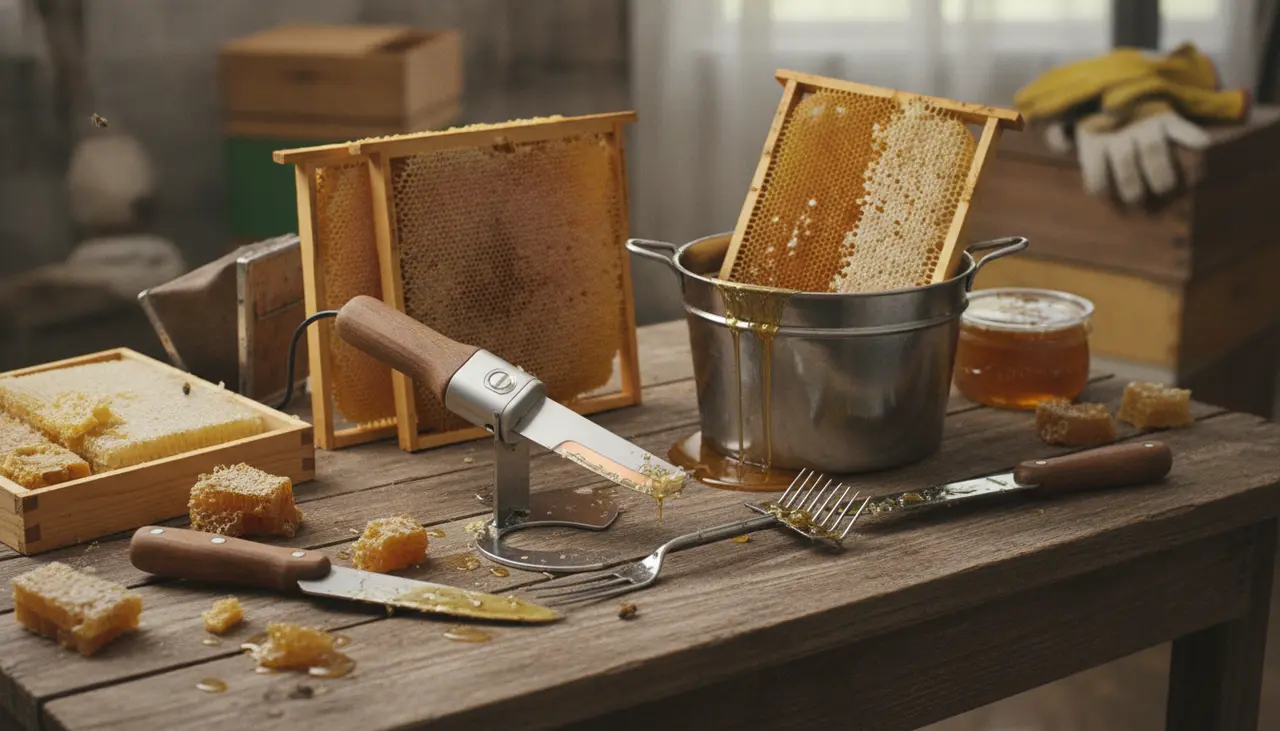
Reviewing the Best Uncapping Knives for Honey: Finding Your Perfect Harvest Tool
Ready to harvest your first golden frames? We compare the best uncapping knives and tools to help you choose the right gear for......
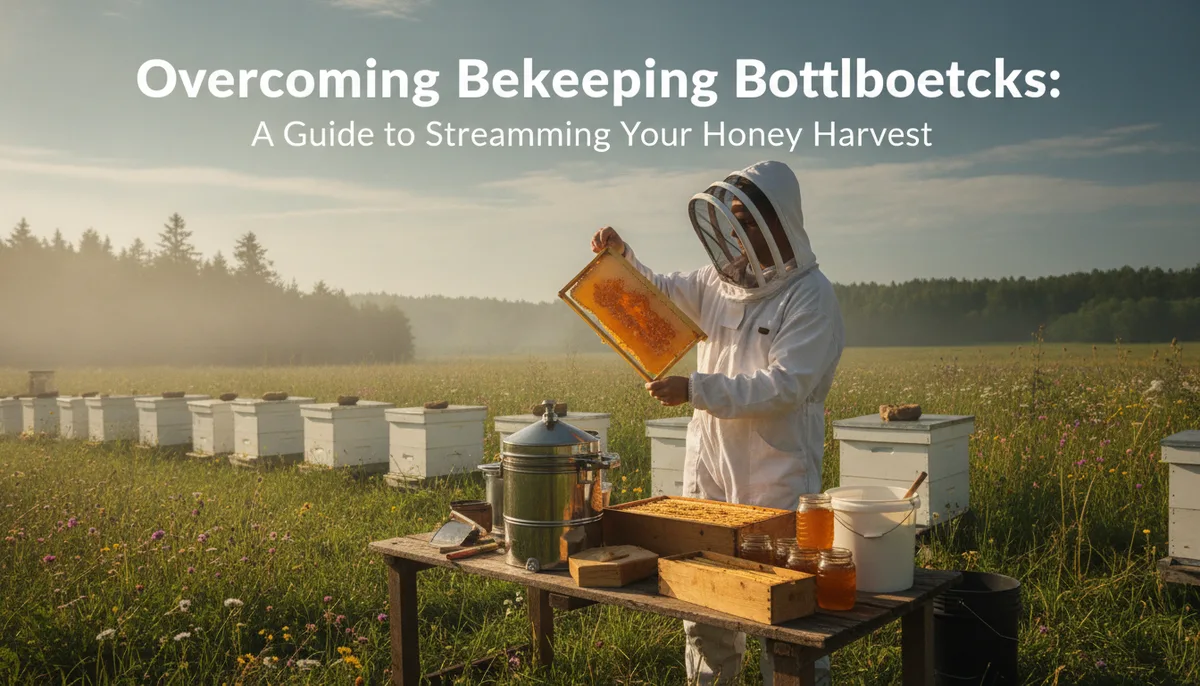
Overcoming Beekeeping Bottlenecks: A Guide to Streamlining Your Honey Harvest
Don't let harvest season become a source of stress. Learn how to identify beekeeping bottlenecks, upgrade your uncapping......
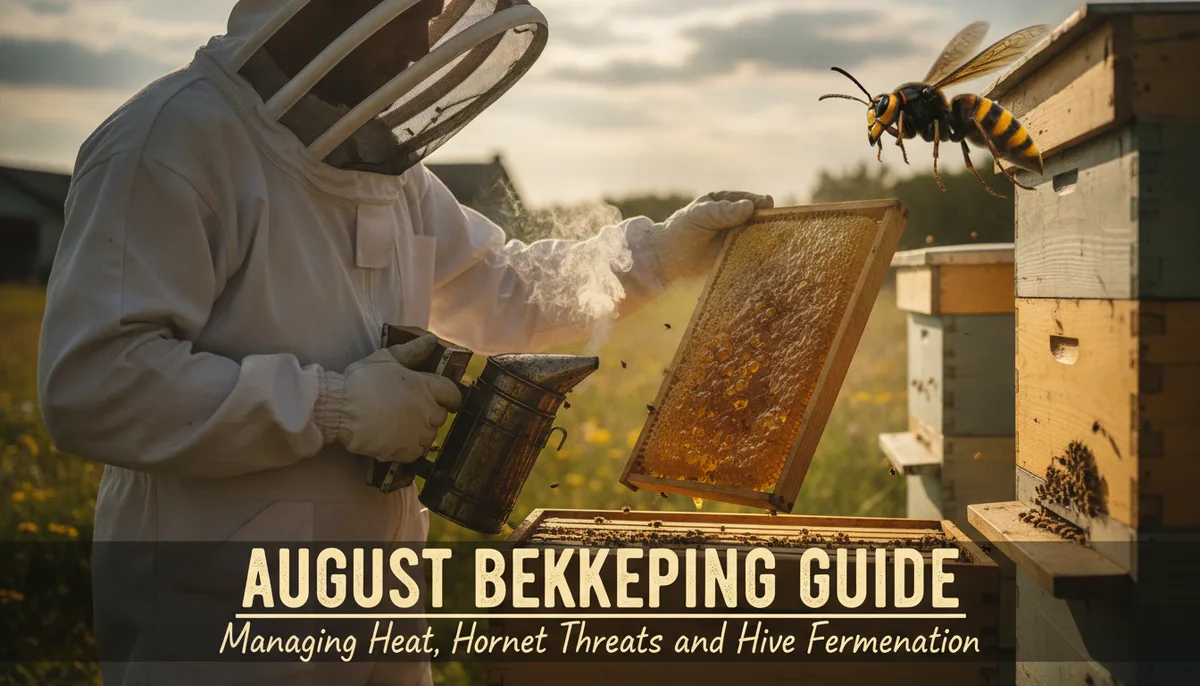
August Beekeeping Guide: Managing Heat, Hornet Threats, and Hive Fermentation
Navigate the challenges of August beekeeping with expert insights on hive temperature control, invasive hornet defense, and the......
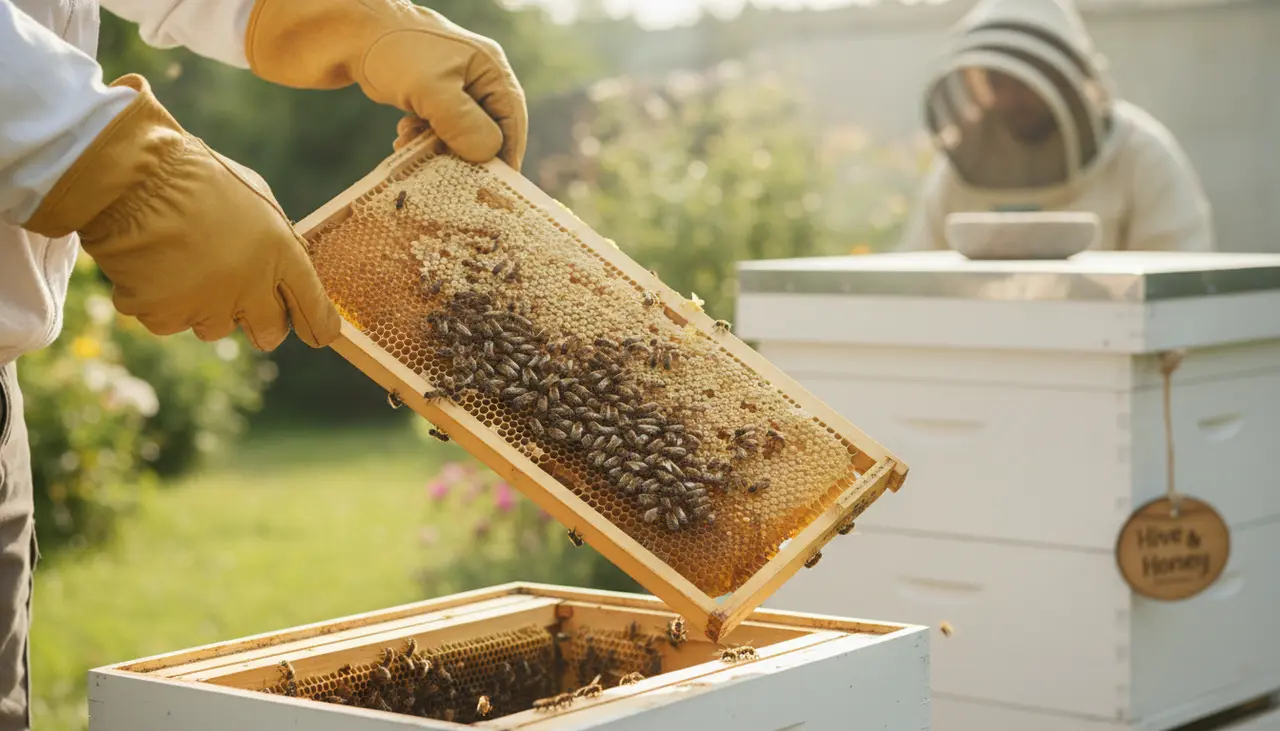
The Best Beekeeping Gloves for Dexterity and Safety: A Hobbyist’s Guide
Choosing the right gloves is a balancing act between protecting your hands and maintaining the "soft touch" needed to keep your......
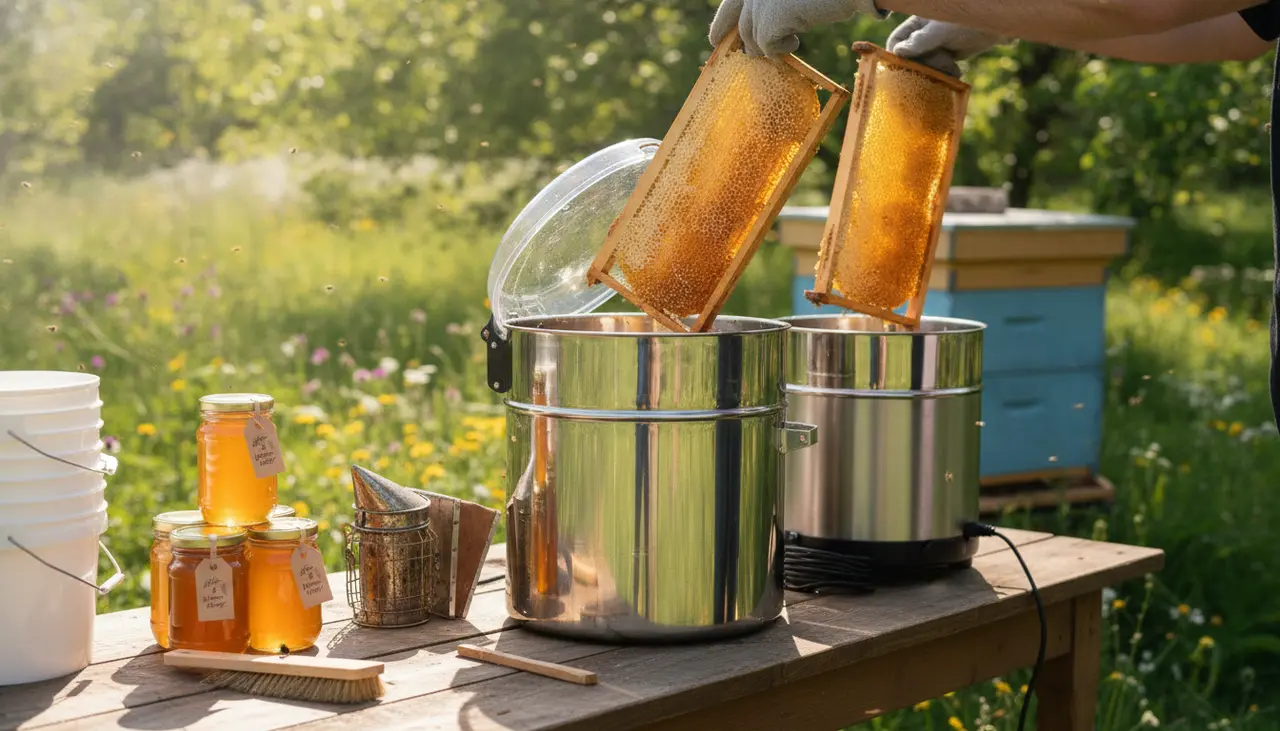
Best Honey Extractors for Small Scale Harvests: A Backyard Beekeeper’s Guide
Choosing your first honey extractor is a major milestone in your beekeeping journey. We break down the best manual and electric......
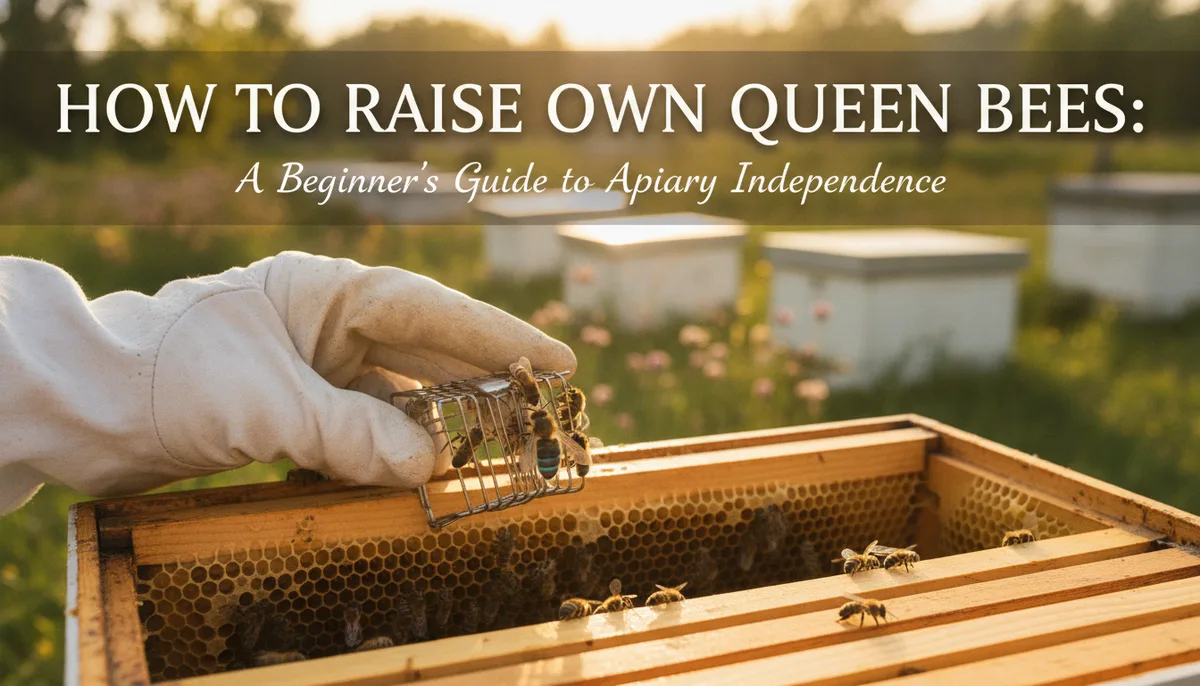
How to Raise Your Own Queen Bees: A Beginner’s Guide to Apiary Independence
Think queen rearing is only for the pros? Discover how small-scale beekeepers can raise high-quality, locally adapted queens to......
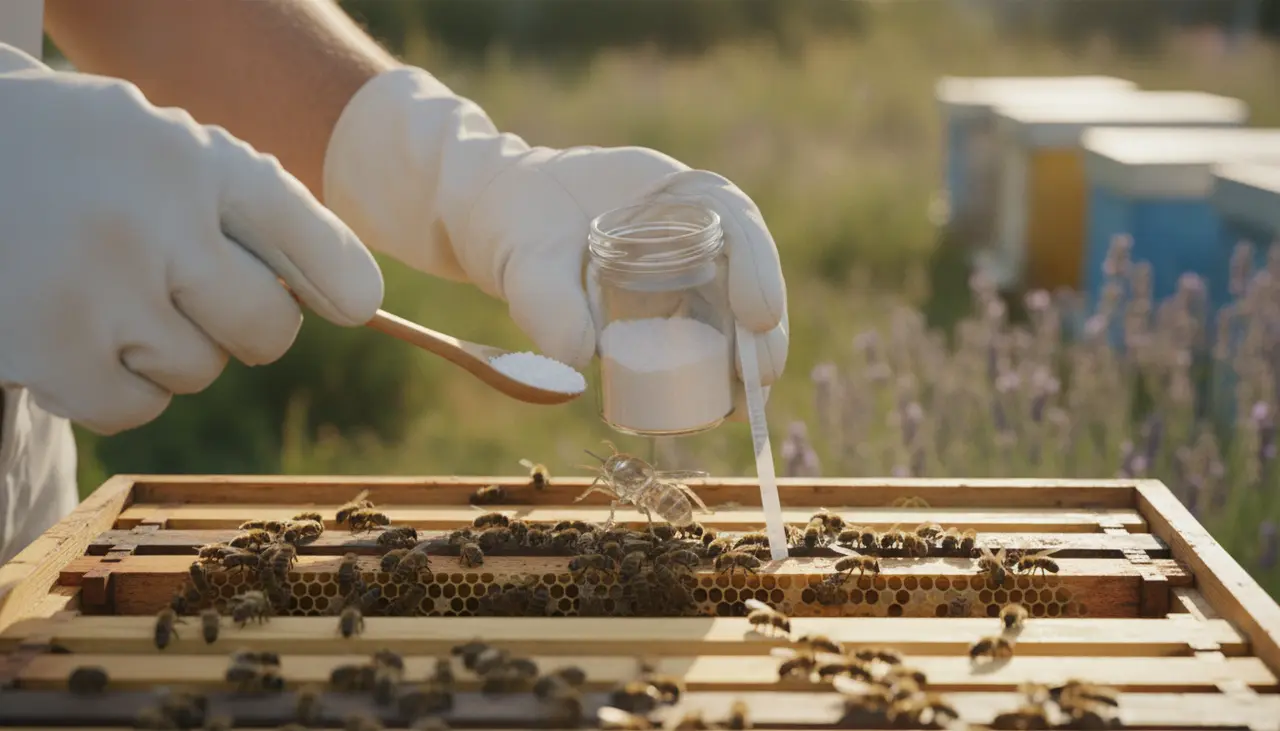
Varroa Mite Treatment Comparison Guide: Protecting Your Hive with Confidence
Choosing the right varroa mite treatment is one of the most important decisions a hobbyist beekeeper makes. We compare the top......

Navigating the First Year: A Comprehensive Guide to Transitioning from Neophyte to Confident Beekeeper
Learn how to master the steep learning curve of beekeeping. From overcoming the "driving anxiety" of hive management to......
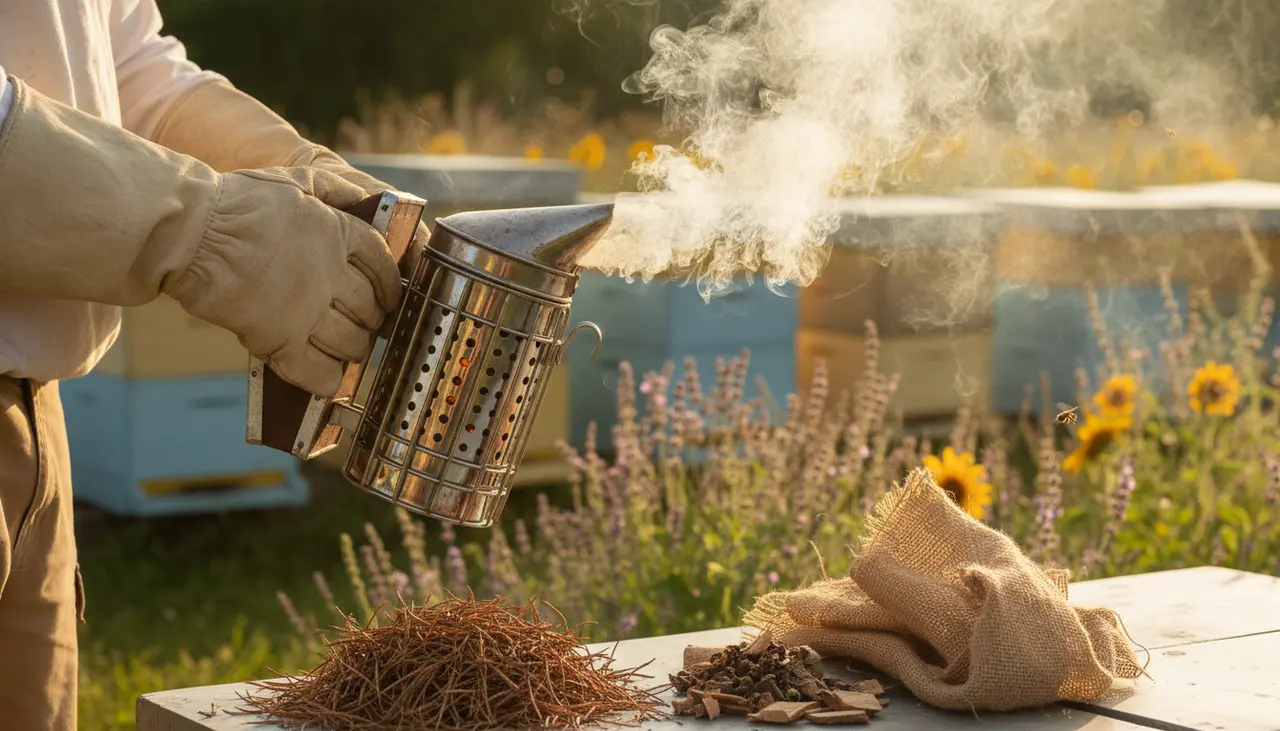
How to Use a Bee Smoker: A Step-by-Step Guide to Stress-Free Hive Inspections
Mastering your bee smoker is the secret to a calm apiary. This guide walks you through lighting, fueling, and using smoke to......
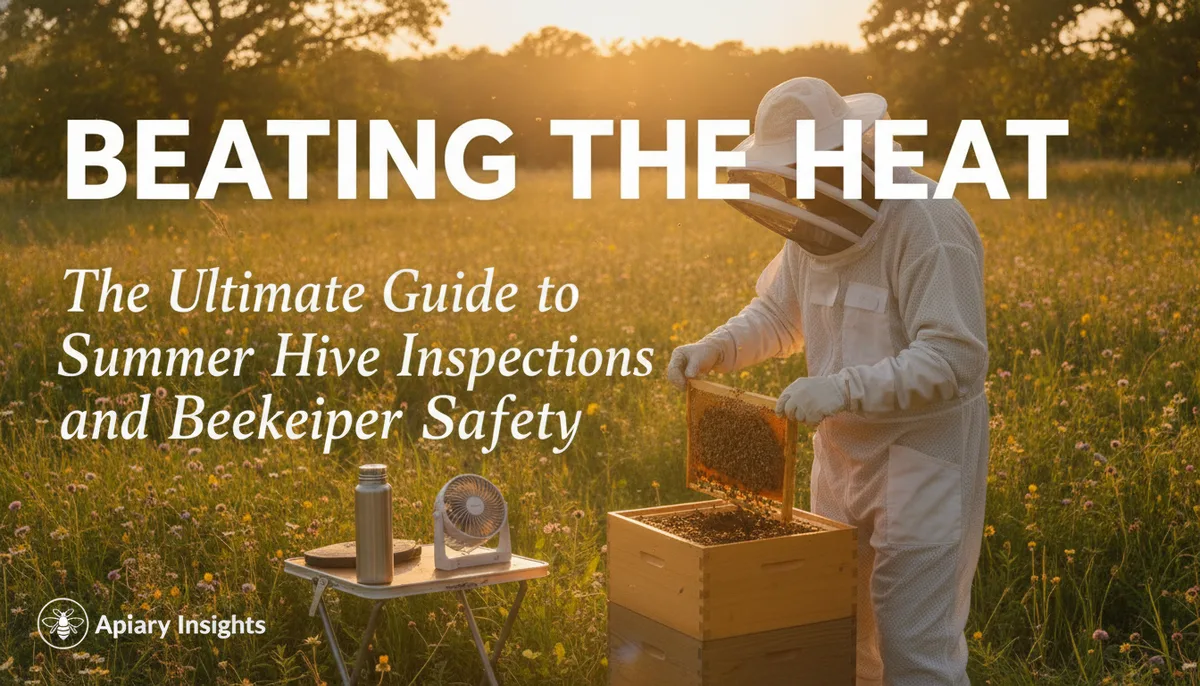
Beating the Heat: The Ultimate Guide to Summer Hive Inspections and Beekeeper Safety
Summer beekeeping in high temperatures requires a strategic approach. Learn how to stay cool, identify heat stress in your......

Best Beginner Beekeeping Kits of 2024: Start Your Backyard Apiary with Confidence
Ready to start your beekeeping journey? We break down the best all-in-one kits for 2024 to ensure you have the right tools to......
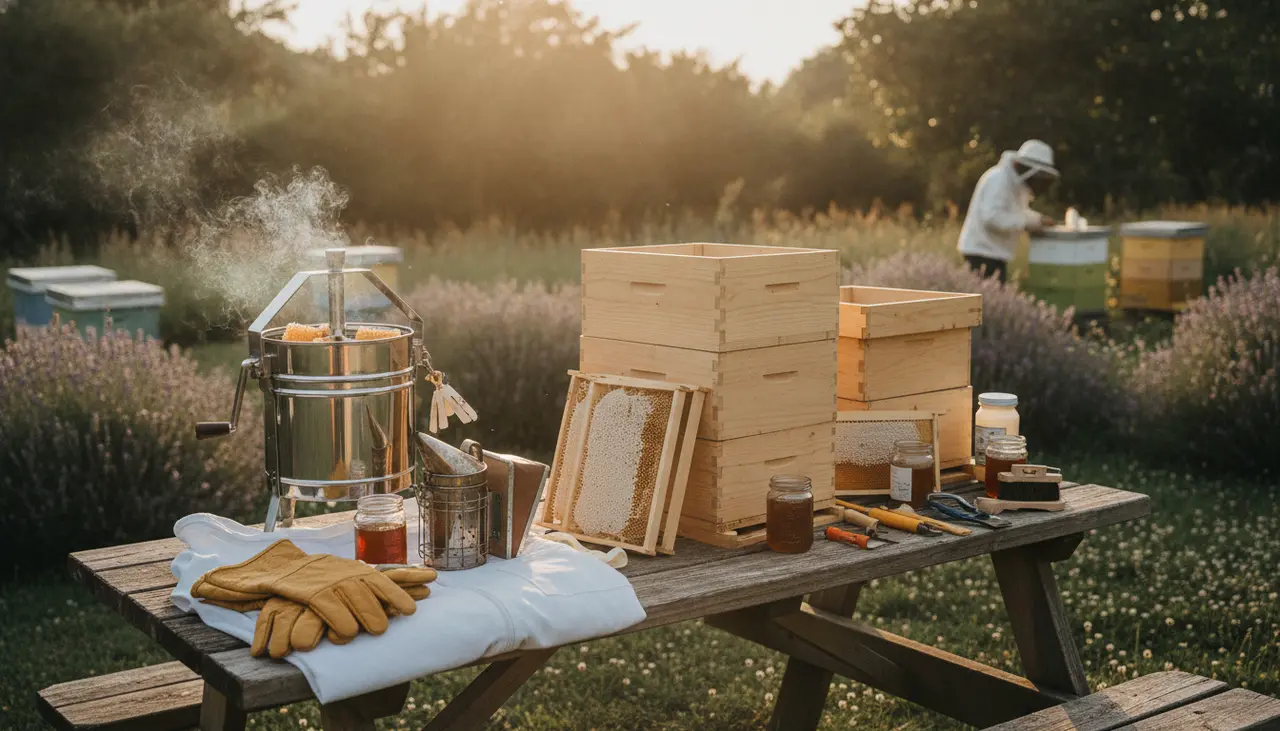
The Hive & Honey Master Buying Guide
Choosing your first beekeeping kit can feel overwhelming. This guide simplifies the process, focusing on the essential gear you......