
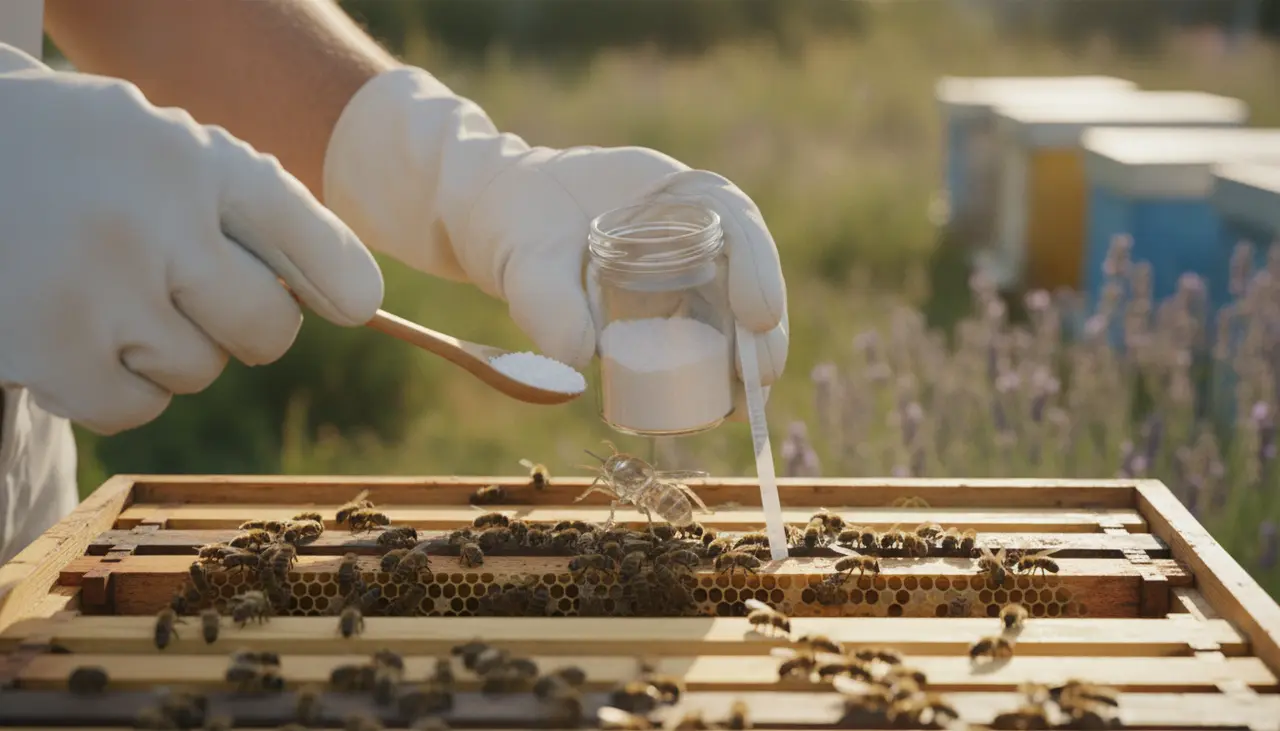
Varroa Mite Treatment Comparison Guide: Protecting Your Hive with Confidence
Affiliate Disclosure: This post contains affiliate links. If you purchase through these links, Hive & Honey may earn a small commission at no extra cost to you, helping us keep the smoker lit and the advice flowing.
Which Varroa Mite Treatment Should You Choose?
The best varroa mite treatment depends on your local temperature, whether you have honey supers on the hive, and the current stage of the bee lifecycle. For most hobbyists, Formic Pro is the preferred choice for a "clean" organic treatment that can be used with honey supers, while Apivar is highly effective for late-season management when honey is not being harvested. Oxalic Acid remains the gold standard for winter or broodless periods.
Successfully managing mites is less about finding a "silver bullet" and more about matching the right tool to the specific season and condition of your backyard apiary.
Introduction: Why Mite Management Matters
If you’ve recently opened your hive and spotted a tiny, reddish-brown speck on a bee’s thorax—or worse, seen bees with deformed wings—you know that sinking feeling in your stomach. We’ve all been there. Varroa mites are the single greatest challenge for the modern hobbyist, but they don't have to mean the end of your beekeeping journey.
This guide is designed for the backyard beekeeper who wants to move past the "wait and see" approach and take proactive, compassionate steps to protect their colony. Whether you are navigating the first year or you’re an intermediate keeper looking to refine your IPM (Integrated Pest Management) strategy, this comparison will help you choose a treatment that aligns with your values and your bees' needs.
Varroa Mite Treatment Comparison Table
| Treatment Name | Active Ingredient | Type | Honey Super Safe? | Temperature Range |
|---|---|---|---|---|
| Apivar | Amitraz | Synthetic | No | No strict limit |
| Formic Pro | Formic Acid | Organic | Yes | 50°F – 85°F |
| Apiguard | Thymol | Organic | No | 60°F – 105°F (Best 60-85°F) |
| Oxalic Acid | Oxalic Acid | Organic | No (Varies by region) | Above 40°F (for Vapor) |
| HopGuard 3 | Hops Beta Acids | Organic | Yes | No strict limit |
Deep Dive: The Best Treatments for Hobbyist Beekeepers
1. Best for "Set It and Forget It" Efficiency: Apivar (Amitraz)
Apivar is a synthetic plastic strip that you hang between brood frames. As the bees walk over the strips, they pick up the active ingredient and spread it throughout the colony.
- The Trade-off: While highly effective (often 95%+ kill rate), it is a synthetic chemical. You cannot use it while honey supers are on the hive, and it requires a 6-week treatment window plus a 2-week "waiting period" before adding supers.
- Best for: Beekeepers who want a high success rate with minimal labor, specifically during the fall after the final honey harvest.
2. Best for Organic Beekeepers: Formic Pro
Formic Pro uses formic acid, which occurs naturally in honey and bee venom. It is one of the few treatments that can actually penetrate the wax cappings to kill mites where they reproduce: inside the brood cells.
- The Trade-off: Formic acid is temperature-sensitive. If it’s too hot (above 85°F), it can cause queen loss or brood damage. If it’s too cool, it won't vaporize effectively.
- Best for: Beekeepers who want to treat while honey supers are still on the hive and who can monitor a 10-day weather forecast.
3. Best for Winter and Broodless Periods: Oxalic Acid (Vaporization or Dribble)
Oxalic acid is a natural compound found in spinach and rhubarb. It is incredibly effective at killing "phoretic" mites (mites currently hitching a ride on adult bees).
- The Trade-off: It does not penetrate the brood cappings. This means it is best used when the hive has little to no brood, such as in late December or on a newly installed package of bees.
- Best for: Winter maintenance. Note: When using the vaporization method, you must wear a respirator and your top-rated bee suit for full body protection.
Common Beginner Mistakes to Avoid
- Treating Without Testing: Never guess your mite levels. Use a sugar roll or alcohol wash to get an accurate mite count before and after treating.
- Ignoring the Thermometer: Applying thymol or formic acid during a heatwave can lead to a "beemergency" where the colony absconds or the queen is killed.
- Leaving Strips in Too Long: Always follow the label. Leaving strips like Apivar in the hive longer than recommended helps mites develop resistance to the treatment.
- Treating Too Late in Fall: If you wait until October to treat for mites, the "winter bees" may already be too weakened by viruses to survive until spring.
Frequently Asked Questions
Can I eat the honey after treating for mites? If you use honey-safe treatments like Formic Pro or HopGuard 3 according to the label, the honey is safe for consumption. For synthetic treatments like Apivar, you must remove the honey supers before application.
How often should I treat? Most hobbyists treat at least twice a year—once in the spring before the honey flow and once in the late summer/early fall. However, monthly mite counts are the best way to determine if an extra treatment is needed.
Do I need a respirator for all treatments? No, but you definitely need one for Oxalic Acid vaporization and should use caution (acid-resistant gloves) with Formic Pro. Always read the safety data sheet (SDS) provided with your treatment kit.
Final Thoughts
Managing varroa mites is an act of love for your bees. By choosing the treatment that best fits your climate and your hive's schedule, you are giving your colony the best chance to thrive. Remember, every beekeeper's journey is unique—don't be afraid to reach out to your local bee club for advice on what works best in your specific zip code.
For more tips on getting your apiary started right, check out our guide on the best beginner beekeeping kits of 2024.