
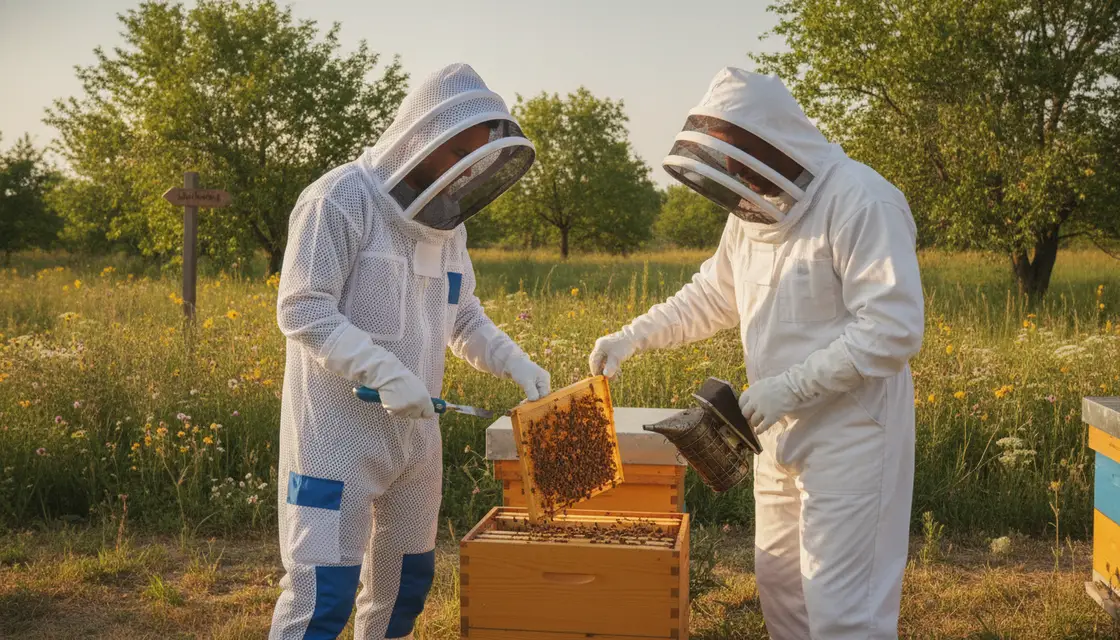
Top-Rated Bee Suits for Maximum Protection: Stay Safe and Cool in the Apiary
Disclosure: This post contains affiliate links. If you click through and make a purchase, Hive & Honey may earn a small commission at no additional cost to you. We only recommend gear that meets the standards of the hobbyist beekeeping community.
Choosing the best bee suit is one of the most important decisions you’ll make as you start your beekeeping journey. The right suit acts as your "armor of confidence," allowing you to move calmly among your bees without the constant fear of a sting. For most hobbyists, the best choice is a three-layer ventilated suit, which offers superior sting protection and keeps you cool during hot summer inspections. However, for those in cooler climates or on a tighter budget, a high-quality heavy-duty cotton suit remains a reliable, classic option.
Who Is This Guide For?
Whether you are a brand-new beekeeper preparing for your first "nuc" delivery or an intermediate hobbyist tired of sweating through your old gear, this guide is for you. We understand that as a backyard beekeeper, you aren't just looking for industrial-grade equipment; you need something that fits well, lasts for years, and makes your weekend hive checks a joy rather than a chore.
Comparison: Ventilated vs. Cotton Bee Suits
When shopping for the best bee suit, you’ll generally choose between two primary materials. Here is how they stack up:
| Feature | 3-Layer Ventilated Suit | Heavy-Duty Cotton Suit |
|---|---|---|
| Breathability | Excellent (Maximum airflow) | Low (Can get very hot) |
| Sting Protection | Excellent (Mesh thickness prevents stingers) | Good (Relies on fabric thickness) |
| Weight | Slightly heavier when dry | Lighter (but feels heavier when sweaty) |
| Durability | High | High (Classic cotton is very tough) |
| Price Point | Premium | Budget-friendly |
The Best Bee Suit for Your Backyard Needs
1. Best for Hot Climates: The Ultra-Ventilated 3-Layer Suit
If you live in a region where summer temperatures climb above 80°F, a ventilated suit is a game-changer. These suits are constructed from three layers of mesh: two outer layers of fine mesh and a thicker inner layer that creates a physical gap.
- Why it works: The thickness of the three layers is greater than the length of a honeybee's stinger. Even if a bee lands on you and tries to sting, the stinger cannot reach your skin.
- The Tradeoff: These suits are more expensive than cotton, but the comfort they provide during a July hive inspection is worth every penny.
2. Best for Budget & Cool Weather: The Heavy-Duty Cotton Suit
Cotton suits are the traditional choice for a reason. They are rugged, provide a smooth surface that bees find difficult to "grip," and are generally more affordable.
- Why it works: High-quality cotton (often a poly-cotton blend) is dense enough to protect against most stings while being easy to wash and repair.
- The Tradeoff: In the peak of summer, cotton can feel like wearing a heavy sleeping bag. If you choose cotton, try to schedule your hive inspections for early morning or late evening when it's cooler.
3. Best for Quick Checks: The Beekeeping Jacket
Sometimes you don't need a full "astronaut" suit. A beekeeping jacket—either cotton or ventilated—is perfect for quick tasks like refilling a feeder or checking a top-bar hive.
- Why it works: It’s much faster to slip on than a full jumpsuit. It’s also a great option if you prefer wearing your own heavy-duty work pants or jeans.
- The Tradeoff: You lose the full-body seal. Bees are notorious for finding gaps, so ensure your jacket has a secure elastic waist and that you are wearing thick pants.
Key Features to Look For
When browsing for the best bee suit on Amazon or through niche suppliers, keep an eye on these specific details:
- Fencing Veil vs. Round Veil: Fencing veils (also called collapsible veils) stay away from your face and offer great visibility. Round veils provide a wide field of vision but can be bulkier to store.
- Brass Zippers: Plastic zippers can warp or break over time. Look for heavy-duty brass zippers that won't snag.
- Thumb Loops and Ankle Straps: These keep your sleeves and pant legs from riding up, preventing bees from crawling inside your suit.
- Reinforced Knees: Since you'll spend a lot of time kneeling beside your brood boxes, extra padding on the knees is a huge plus.
If you are just starting out and need a complete setup, check out our guide on the Best Beginner Beekeeping Kits of 2024: Start Your Backyard Apiary with Confidence. Often, these kits include a basic suit that can get you through your first season.
Common Beginner Mistakes with Protective Gear
- Buying the "Perfect" Fit: Always size up! You want your bee suit to be baggy. If the fabric is tight against your skin (especially at the shoulders or knees), a bee can sting right through it.
- Forgetting to Zip the Veil Fully: It sounds simple, but many stings happen because a tiny gap was left where the zippers meet. Always double-check the "velcro flap" that covers the zipper junction.
- Wearing Dark Colors: Bees are biologically programmed to react defensively to dark, fuzzy textures (think bears or skunks). Stick to white or pale colors to keep the colony calm.
- Neglecting Maintenance: Propolis and wax will build up on your suit. While you can't wash the veil in a machine (it can damage the mesh), you should regularly wash the suit body to remove "alarm pheromones" from previous stings.
Frequently Asked Questions
Q: Can bees sting through a bee suit? A: Technically, yes. No suit is 100% "sting-proof." However, a high-quality ventilated suit or a thick cotton suit makes it very difficult for a stinger to reach your skin. Most "stings" through a suit happen when the fabric is pulled tight against the body.
Q: How do I wash my bee suit? A: Most suits have a detachable veil. Remove the veil and hand-wash it carefully. The suit itself can usually be machine-washed on a gentle cycle with a mild, scent-free detergent. Avoid bleach, as it can weaken the fibers.
Q: Should I get a suit or a jacket? A: For beginners, we almost always recommend a full suit. It provides total peace of mind. As you become more comfortable with bee behavior, you might find a jacket is more convenient for light maintenance.
For more information on selecting the right tools to go with your new suit, visit The Hive & Honey Master Buying Guide.
Summary of Recommendations
- For Maximum Comfort: Go with a 3-Layer Ventilated Suit.
- For Value: A Heavy-Duty Poly-Cotton Suit is your best bet.
- For Flexibility: Consider a Ventilated Jacket paired with thick work pants.
Stay safe, stay cool, and enjoy the hum of the hive!