
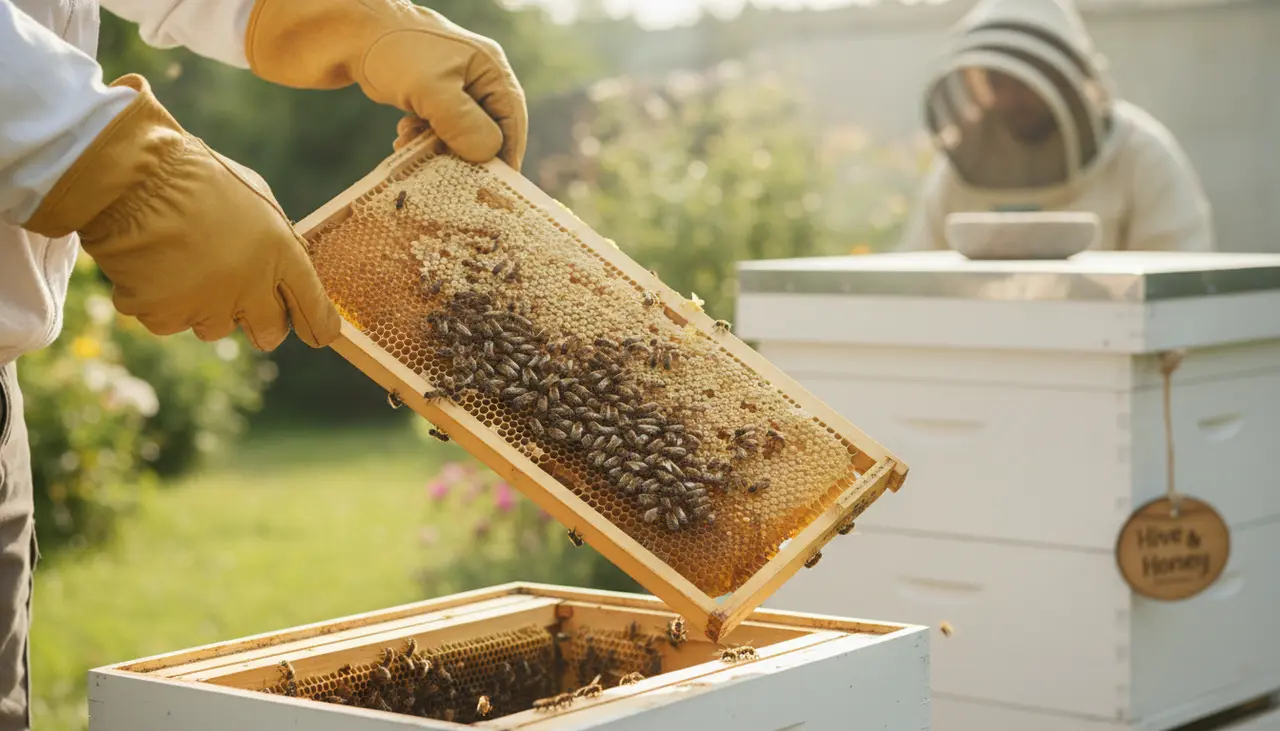
The Best Beekeeping Gloves for Dexterity and Safety: A Hobbyist’s Guide
Affiliate Disclosure: This post contains affiliate links. If you purchase through these links, Hive & Honey may earn a small commission at no extra cost to you, helping us continue to provide supportive advice for hobbyist beekeepers.
The best beekeeping gloves for most hobbyists are made of high-quality goatskin. Goatskin offers a superior balance of natural lanolin for softness, excellent puncture resistance, and enough flexibility to feel the frames and avoid accidentally rolling bees. For those working with particularly defensive colonies, thick cowhide gloves provide maximum protection, though they sacrifice the "fine motor" dexterity required for delicate queen spotting or grafting.
If you are just starting out, we recommend a ventilated goatskin glove. This style protects you from stings while allowing your hands to breathe during long summer inspections, preventing the "sweaty palm" syndrome that can lead to accidental slips.
Why Your Choice of Gloves Matters
When you first step into your apiary, there is a natural bit of nerves. We’ve all been there—wondering if today is the day a stray sting finds its way through your gear. Your gloves are often your first line of defense, but they are also your primary tool for communication with the hive.
If your gloves are too thick or bulky, you lose the ability to feel the weight of the frame or the subtle vibrations of the colony. Clumsy movements can lead to squishing bees, which releases alarm pheromones, signaling the rest of the hive to become defensive. Finding that "Goldilocks" pair of gloves—not too thick, not too thin—is essential for navigating the first year with confidence.
Goatskin vs. Cowhide: Which Material is Right for You?
In the world of beekeeping, the debate usually comes down to these two materials. Here is how they stack up for the average backyard beekeeper:
| Feature | Goatskin Gloves | Cowhide Gloves |
|---|---|---|
| Dexterity | High (Very supple) | Moderate (Can be stiff) |
| Sting Protection | Good | Excellent |
| Durability | Moderate | High |
| Breathability | Good (Natural pores) | Lower |
| Best For | Routine inspections, beginners | Aggressive hives, heavy lifting |
The Case for Goatskin (The Hobbyist Favorite)
Most beekeepers eventually gravitate toward goatskin. Because goat leather contains natural fats, it stays soft even after getting wet or covered in propolis. This flexibility allows you to pick up a Hive Tool or adjust a Queen Excluder with precision. If you are looking for a pair that feels like a second skin, this is your best bet.
The Case for Cowhide (The Heavy-Duty Shield)
Cowhide is significantly thicker. While this makes it harder to feel what you’re doing, it is nearly impenetrable to stings. If you are rehashing a feral colony or working in high-wind conditions where bees might be "flighty," the extra peace of mind offered by cowhide is worth the loss of dexterity.
Top Recommendations for Backyard Beekeepers
Best for Maximum Dexterity: Premium Goatskin Gloves
These are often designed with extra-long sleeves (gauntlets) that reach past the elbow. Look for pairs that feature an elastic closure to keep bees from crawling up your arm.
- Why we like them: They allow you to feel the "burr comb" before you pull a frame, reducing the risk of a messy break.
- Ideal for: Weekly inspections and honey harvesting.
Best for Hot Climates: Ventilated Gauntlet Gloves
Beekeeping is hot work, especially in mid-July. Ventilated gloves feature a mesh layer between the glove and the sleeve, allowing airflow to reach your wrists.
- Why we like them: They prevent sweat from soaking the leather, which can make gloves stiff and smelly over time.
- Ideal for: Beekeepers in Southern climates or those with multiple hives to inspect.
Best for Beginners: Complete Protective Sets
If you are just starting out, you might find it easier to buy your gloves as part of a bundle. Many of the best beginner beekeeping kits of 2024 include a standard pair of cotton-sleeved goatskin gloves that are perfect for learning the ropes.
Common Beginner Glove Mistakes
- Buying the Wrong Size: If your gloves are too big, the fingertips will hang off, making it impossible to grip a frame safely. Always measure your hand circumference and refer to the manufacturer’s sizing chart.
- Neglecting to Wash Them: Propolis and wax build up fast. More importantly, if you do get stung, the glove will retain the alarm pheromone. If you don't wash or smoke your gloves before the next inspection, the bees will target your hands immediately.
- Relying on Gloves Instead of Smoke: Gloves are a backup, not a primary defense. Always use your Smoker properly to calm the bees before you ever reach into the Brood Box.
- Tucking Sleeves Improperly: Always ensure your glove gauntlets are pulled tight over your Bee Suit sleeves. A bee inside a glove is a recipe for a bad afternoon.
Maintenance Tips: Keeping Your Gloves Supple
To make your gloves last several seasons, avoid soaking them in harsh detergents. Instead:
- Use a damp cloth to wipe off excess honey or propolis after each use.
- If they become stiff, apply a tiny amount of food-grade mineral oil or leather conditioner.
- Air dry them away from direct sunlight, which can crack the leather.
Frequently Asked Questions
Can I use nitrile gloves for beekeeping? Many experienced beekeepers use 5-mil or 7-mil nitrile gloves. They provide 100% dexterity and bees generally struggle to grip the latex/nitrile surface to sting. However, they offer zero protection against a determined sting. We recommend sticking to leather until you are very comfortable with bee behavior.
How do I get propolis off my leather gloves? Propolis is "bee glue" and it is notoriously sticky. You can't really "wash" it off easily. Most beekeepers simply accept it as part of the glove's patina. If it becomes a problem, a light rubbing with isopropyl alcohol can help, but be sure to condition the leather afterward so it doesn't dry out.
Should I choose a ventilated or solid sleeve? If you live in a region with high humidity, go for ventilated. If you live in a cooler climate or work in areas with heavy brush where mesh might snag, a solid heavy-duty cotton sleeve is more durable.
Final Thoughts
Your hands are your most important tools in the apiary. By choosing a pair of the best beekeeping gloves tailored to your comfort level—whether that’s the supple feel of goatskin or the rugged security of cowhide—you’ll find your hive inspections become a much more peaceful, meditative experience. Remember, the goal is to be a partner to your bees, and having the right gear is the first step in that journey.